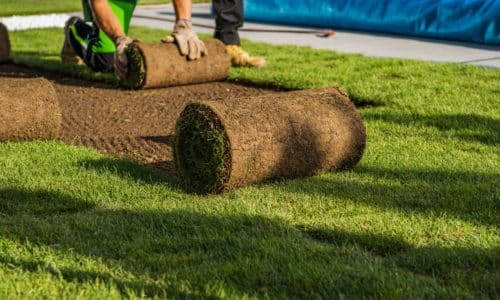
Remove weeds from your Bermuda grass lawn safely using selective herbicides. Choose products with 2,4-D to target broadleaf weeds or sulfentrazone for sedges and grassy types. Apply them on days when temperatures stay between 60°F and 80°F for best results.
Step 1: Identify the Weed
The right herbicide depends on the weed type. Get this wrong, and you either waste money or kill your Bermuda grass.
Common Broadleaf Weeds
Dandelion
Clover
Dollarweed (pennywort)
Chickweed
Henbit
Virginia buttonweed
Common Grassy Weeds
Crabgrass
Dallisgrass
Goosegrass
Annual bluegrass (Poa annua)
Sedges
Nutsedge (yellow and purple)
Kyllinga
Step 2: Pre-Emergent Herbicides (Prevention)
Pre-emergents prevent weed seeds from germinating and are the single most effective tool for Bermuda lawn weed control.
Spring Pre-Emergent
Apply late February to early March in Louisiana, when soil temperatures reach 50–55°F for 3+ consecutive days. Common active ingredients:
Prodiamine (Barricade)
Pendimethalin (Pendulum)
Dithiopyr (Dimension)—also has early post-emergent activity on crabgrass
Fall Pre-Emergent
Apply late September to early October to prevent cool-season weeds like annual bluegrass, henbit, and chickweed.
Step 3: Post-Emergent Herbicides (Treatment)
For Broadleaf Weeds
Bermuda tolerates most 3-way herbicides containing combinations of 2,4-D, dicamba, and MCPP (mecoprop).
Popular products include:
Trimec Classic
Ortho Weed-B-Gon
Spectracide Weed Stop for Lawns
Apply when air temperatures are between 60 and 85°F and weeds are actively growing.
For Grassy Weeds
This is where things get tricky. Killing crabgrass or dallisgrass without killing Bermuda requires Bermuda-specific selectives:
Celsius WG (thiencarbazone + iodosulfuron + dicamba) — excellent on most grassy and broadleaf weeds; Bermuda-safe even in heat.
Quinclorac — effective on crabgrass but can stunt Bermuda temporarily.
For Sedges
Nutsedge is a special case—it’s neither grass nor broadleaf.
Use sedge-specific herbicides:
Sedgehammer (halosulfuron)
Dismiss (sulfentrazone)
Step 4: Cultural Practices That Prevent Weeds
The densest Bermuda lawns rarely need much herbicide.
Good habits do most of the heavy lifting:
Mow at the right height (1–2 inches) with a sharp blade.
Water deeply and infrequently to encourage deep roots.
Fertilize on schedule to keep Bermuda aggressive.
Overseed or sod bare spots before weeds colonize them.
Core aerate annually to reduce compaction.
What NOT to Use on Bermuda Grass
Glyphosate (Roundup) — kills Bermuda within days. Use only on dormant winter Bermuda for targeted weed control, never during active growth.
Atrazine — labeled for St. Augustine and centipede, but damages Bermuda.
Non-selective spot sprays — unless Bermuda is dormant.
Dormant Weed Control: A Powerful Louisiana Secret
Once Bermuda goes dormant in late December/January, you can apply glyphosate at a low rate to kill winter weeds without harming dormant Bermuda. This is one of the most effective strategies for cleaning up a weedy Bermuda lawn, but timing matters. Use only when the entire lawn is clearly dormant and at least 60 days before spring green-up.
Organic Weed Control Options
Corn gluten meal — mild pre-emergent activity; apply early spring.
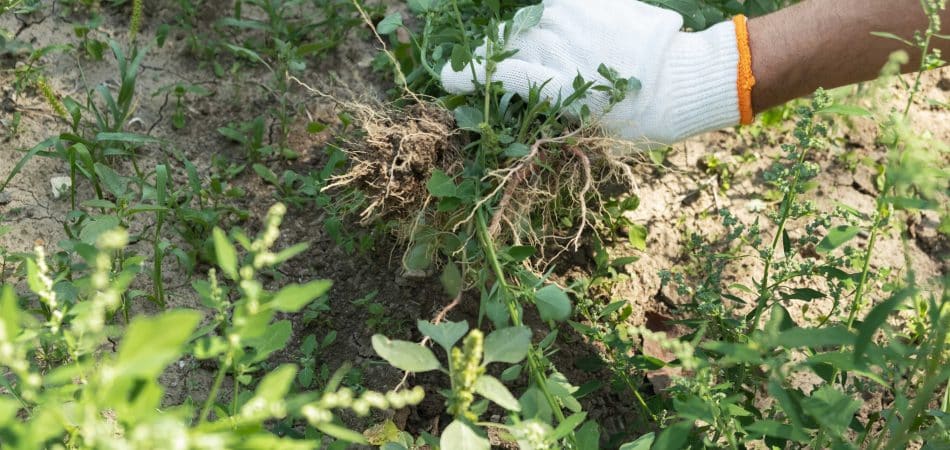
Hand pulling — effective for isolated weeds, especially after rain.
Horticultural vinegar (20%) — non-selective; use only for spot kills in cracks or bed edges.
Application Tips to Avoid Lawn Damage
Read the label — twice.
Avoid spraying during high heat (>90°F).
Never apply herbicide to stressed or newly sodded Bermuda.
Use a marker dye to avoid double-spraying strips.
Wait 2–3 mowings before herbicide on newly established sod.
Want a Weed-Free Bermuda Lawn Without the Guesswork?
TurnKey Grass helps homeowners across Gretna, Slidell, Harahan, and the greater New Orleans metro build resilient, thick Bermuda lawns that resist weed pressure naturally. When herbicide treatments or resodding are needed, we apply them right the first time. Contact us today!
Frequently Asked Questions
What kills weeds in Bermuda grass without killing the grass?
Pre-emergents like prodiamine, selective post-emergents like Celsius WG, and 3-way broadleaf herbicides (2,4-D + dicamba + MCPP) kill weeds while leaving Bermuda unharmed when used correctly.
Will Roundup kill Bermuda grass?
Yes, glyphosate kills active Bermuda. It is only safe to use on fully dormant Bermuda in mid-winter, and only for winter weed control.
When should I apply pre-emergent to Bermuda grass in Louisiana?
Late February to early March for spring weeds, and late September to early October for winter weeds.
Can I use a weed and feed on Bermuda grass?
Some weed and feed products are Bermuda-safe, but they often apply herbicide at the wrong time for fertilizer needs. Separate applications are usually more effective.
How do I kill crabgrass without killing Bermuda?
Quinclorac and Celsius WG both target crabgrass without killing Bermuda. Apply when crabgrass is young and actively growing.
What’s the best time of day to spray herbicide on Bermuda?
Early morning or late afternoon on calm, dry days with temperatures between 60°F and 85°F.





 TurnKey Grass
  Bermuda tolerates most 3-way herbicides containing combinations of 2,4-D, dicamba, and MCPP (mecoprop).