The best fertilizer for Bermuda grass boosts thick, green growth with a high-nitrogen, slow-release option like 24-0-4 or 32-0-10. Apply it every 4-6 weeks in the growing season. For new lawns, use a balanced 13-13-13 mix. Focus on plenty of nitrogen for lush blades, low phosphorus, moderate potassium for strength, and iron for vibrant color.
Understanding NPK for Bermuda Grass
Fertilizer labels show three numbers: Nitrogen (N), Phosphorus (P), and Potassium (K).
Nitrogen (N): Drives leaf growth, density, and that deep green color Bermuda is known for.
Phosphorus (P): Supports root development — most important for new sod.
Potassium (K): Improves cold tolerance, disease resistance, and drought recovery.
Bermuda’s ideal growing-season ratio is roughly 4-1-2 — about twice as much nitrogen as potassium, with a smaller amount of phosphorus.
Top Fertilizer Products for Bermuda Grass
For New Sod / First Application
Use a high-phosphorus starter like 18-24-12 at installation. This accelerates rooting during the critical establishment window.
For Main Growing Season
A balanced slow-release 16-4-8, 15-5-10, or 24-0-11 applied every 4–6 weeks keeps Bermuda thick and dark green without burning.
For Pre-Dormancy (Late Summer / Early Fall)
Shift to a potassium-rich formula like 5-10-30 or a “winterizer” before dormancy. Potassium hardens the plant against cold and disease through winter.
Organic Options
Milorganite (6-4-0), composted chicken manure, and alfalfa-based fertilizers are excellent organic options. They release slowly, build soil health, and are harder to over-apply.
Bermuda Grass Fertilizer Schedule for Louisiana
Month
Application
NPK Suggestion
Late March / Early April
Spring green-up
16-4-8 at 1 lb N / 1,000 sq ft
May
Maintenance
16-4-8 or 24-0-11
June
Summer feed
Slow-release 16-4-8
July
Maintenance
Slow-release 15-5-10
Mid-August
Late-summer feed
Balanced with a potassium boost
September
Winterizer
5-10-30 or 0-0-22
October–February
No fertilizer
Dormancy period
How Much Fertilizer to Apply
The standard rate is 1 pound of nitrogen per 1,000 square feet per application. To calculate how much product you need:
Divide 100 by the first number on the bag. Example: A 16-4-8 product → 100 / 16 = 6.25 pounds of product per 1,000 sq ft to deliver 1 lb of N.
Slow-Release vs. Quick-Release Fertilizers
Quick-release: Greens up the lawn fast (3–5 days) but risks burning and needs more frequent applications. Best used sparingly.
Slow-release: Feeds gradually over 6–12 weeks, reduces burn risk, and builds steadier color. Best choice for 80% of homeowners.
Liquid vs. Granular Fertilizer
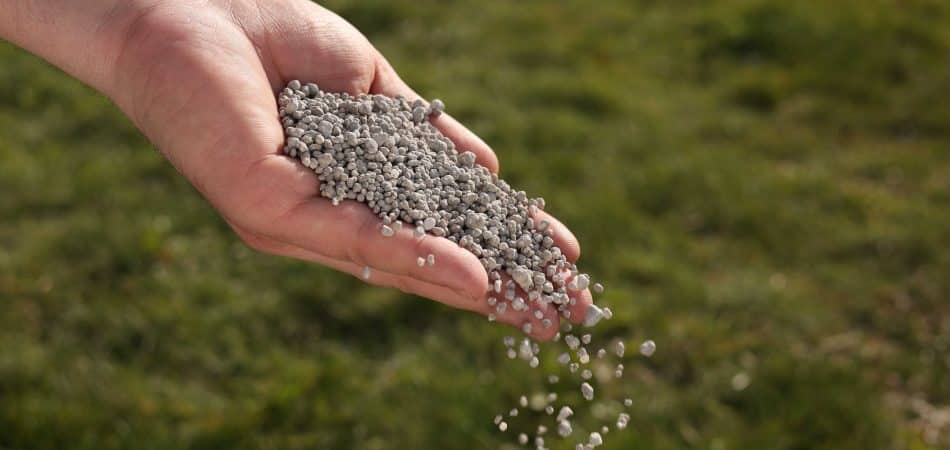
Granular: Easy to spread, slow-release options, better for residential use.
Liquid: Fast absorption, good for quick color boosts and pro applications, but labor-intensive.
Common Fertilizer Mistakes with Bermuda
Applying nitrogen in spring before green-up (wastes product, feeds weeds)
Fertilizing during peak heat without watering in
Heavy nitrogen after mid-September (delays dormancy, risks winter kill)
Ignoring soil pH (Bermuda wants 6.0–7.0)
Skipping a soil test
Soil Testing: The Step Most People Skip
A $20 soil test from the LSU AgCenter reveals what your lawn actually needs. Many Louisiana yards are already phosphorus-rich, meaning a standard 16-4-8 may waste phosphorus you don’t need. A soil test every 2–3 years saves money and sharpens your fertilizer plan.
Watering After Fertilizing
Always water granular fertilizer in with at least ½ inch of irrigation within 24 hours. This moves nutrients into the root zone and eliminates burn risk from residue on leaf blades.
Need a Fertilizer Plan for Your Bermuda Lawn?
TurnKey Grass helps homeowners in Kenner, Mandeville, La Place, and across southeastern Louisiana build fertilizer programs tailored to their soil, sun exposure, and goals. From new sod installs to lawn restorations, we get your Bermuda grass where you want it—and keep it there. Contact us now!
Frequently Asked Questions
What is the highest nitrogen fertilizer for Bermuda grass?
Products like 46-0-0 (urea) or 34-0-0 deliver high nitrogen but burn easily. Most homeowners are better served by slow-release 16-4-8 or 24-0-11.
Can I use Scotts Turf Builder on Bermuda grass?
Yes. Scotts Turf Builder (32-0-4) works well on Bermuda, especially in summer. Avoid products labeled “weed and feed” unless the herbicide is Bermuda-safe.
How often should I fertilize Bermuda grass in Louisiana?
Every 4–6 weeks from late March through early September—usually 4–5 applications per year.
Can I fertilize Bermuda grass too much?
Yes. Over-fertilization causes thatch buildup, fungal disease, burn spots, and excessive mowing frequency. Stay within 4–6 lbs of total nitrogen per 1,000 sq ft per year.
When should I stop fertilizing Bermuda grass for winter?
By mid-September in Louisiana. A final potassium-heavy feeding is beneficial, but avoid nitrogen after that.
Do I need to fertilize new Bermuda sod?
Starter fertilizer at installation helps rooting. Follow up at 4–6 weeks with a balanced maintenance formula.





 TurnKey Grass