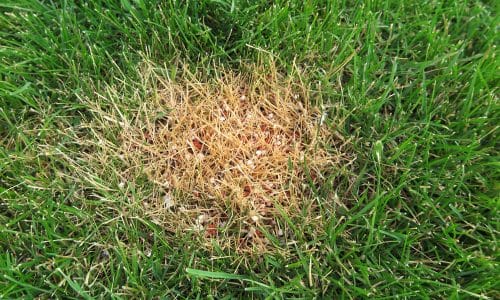
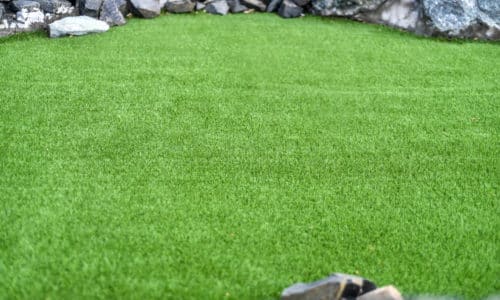
Every year, homeowners across the Gulf Coast watch their lush green Bermuda grass turn straw-colored in December and wonder: is it dead, or just resting? The answer, in almost every case, is resting. Bermuda grass goes dormant in Louisiana winters, and that’s perfectly normal. This guide explains exactly what dormancy looks like, why it happens, how to care for Bermuda grass during winter, and when to expect spring green-up.
Quick Answer: Does Bermuda Grass Go Dormant in Louisiana?
Yes. Bermuda grass in Louisiana enters dormancy after the first hard frost — usually late November or early December — and remains dormant until soil temperatures climb back above 65°F, typically in mid-to-late March. During this period, the grass turns brown but stays alive, conserving energy in its crowns and rhizomes.
Why Bermuda Grass Goes Dormant
Bermuda is a warm-season grass, meaning it grows actively when soil temperatures are 65°F and above. When temperatures drop below that threshold, Bermuda shuts down leaf growth and enters a dormant phase to survive cold weather. This is a survival mechanism, not a sign of damage.
The visible brown color comes from dying leaf blades. Below the surface, the crowns, rhizomes, and stolons stay alive and ready to regrow when conditions improve.
Timeline: Bermuda Grass Dormancy in Louisiana
| Timeframe |
What Happens |
| Late October |
Growth slows; color begins to fade |
| Early–Mid November |
Pre-dormancy yellowing |
| Late Nov – Early Dec |
First hard frost triggers full dormancy |
| December–February |
Full dormancy, tan/straw color |
| Late February |
Early signs of green in sunniest areas |
| Mid–Late March |
Widespread green-up begins |
| April |
Full active growth resumes |
Dormant vs. Dead: How to Tell the Difference
A simple test separates the two:
- Pull back the brown grass blades in a suspect area.
- Look at the crown and runners at the base.
- Dormant Bermuda has firm, whitish-tan crowns and pliable runners.
- Dead Bermuda has brown, brittle crowns that crumble easily.
You can also do a light “scratch test” — gently scratch a runner with your fingernail. Green, moist tissue underneath = alive.
How to Care for Dormant Bermuda Grass
Do This
- Mow one last time in late fall at a slightly lower height (1–1.5 inches) to reduce thatch.
- Apply a final potassium-rich feeding in early-to-mid September to harden the lawn before dormancy.
- Clear leaves regularly — thick leaf cover smothers crowns.
- Apply fall pre-emergent in late September to prevent winter weeds like annual bluegrass.
- Consider selective winter weed control while Bermuda is fully dormant.
Don’t Do This
- Don’t fertilize with nitrogen during dormancy.
- Don’t overwater — dormant Bermuda needs very little.
- Don’t panic when the lawn turns brown — it’s normal.
- Don’t scalp until very close to spring green-up.
Winter Weeds in Dormant Bermuda
One challenge of dormancy: dormant Bermuda doesn’t compete with winter weeds. Common culprits in Louisiana include:
- Annual bluegrass (Poa annua)
- Henbit
- Chickweed
- Wild onion
A fall pre-emergent in late September prevents most of them. For escape weeds already visible, a low-rate glyphosate application on fully dormant Bermuda can clean things up — but timing must be exact.
Overseeding Dormant Bermuda
Some homeowners overseed dormant Bermuda with perennial ryegrass in the fall to maintain a green lawn through winter. In Louisiana, this is optional and can complicate spring green-up if the ryegrass outcompetes the Bermuda. For most homeowners, it’s simpler to embrace the dormancy cycle.
When Does Bermuda Green Up in Louisiana?
Most New Orleans-area Bermuda lawns begin showing green tips by mid-March, with full green-up by mid-April. A late freeze can delay this by 1–2 weeks. South Louisiana coastal areas typically see green-up a week or two earlier than north Louisiana.
How to Speed Up Spring Green-Up
- Scalp mow at the end of dormancy (1–1.5 inches) to remove brown blades and let sunlight reach crowns.
- Bag clippings from the scalp mow.
- Light raking removes thatch and debris.
- Wait to fertilize until the lawn is 50%+ green; fertilizing too early wastes nitrogen.
What a Hard Freeze Can Do to Bermuda
Bermuda tolerates temperatures down to about 10°F without significant winter kill if properly hardened off. Hard freezes below that, especially when dry, can damage crowns — resulting in dead zones come spring. Premium cold-tolerant varieties like Latitude 36 handle these extremes better than older hybrids.
Frequently Asked Questions
Is dormant Bermuda grass dead?
No. Dormant Bermuda turns brown on the surface but stays alive at the crown and root level, ready to regrow when warmer temperatures return.
Should I water Bermuda grass in winter?
Very rarely. Water dormant Bermuda only during extended dry spells (3+ weeks with no rain) when temperatures are mild.
Should I fertilize Bermuda in winter?
No. Nitrogen applied during dormancy feeds weeds, not your Bermuda. The last fertilizer application should happen in early-to-mid September.
How do I keep my Bermuda lawn green in winter?
Overseeding with perennial ryegrass in late September can maintain a green appearance through winter, though it requires additional mowing and can complicate Bermuda’s spring return.
When is the latest I should mow Bermuda in fall?
Mow once more after the first frost at a slightly lower height to reduce thatch, then stop until spring green-up begins.
How long does Bermuda stay dormant in Louisiana?
Typically 90–120 days — from late November/early December until mid-to-late March, depending on weather patterns.
Get Your Bermuda Lawn Ready for Every Season
TurnKey Grass helps homeowners in Madisonville, Hammond, Kenner, and across southeastern Louisiana install and maintain resilient Bermuda lawns that green up beautifully every spring. Whether you need a new sod installation, a dormant lawn repair, or ongoing care advice, we’re here to help.
Request a Free Consultation →
Related grass services
Want a lush new lawn? Get a free sod installation quote from TurnKey Grass.





 TurnKey Grass