
St. Augustine GrassApr 24, 20255 min read
Common St. Augustine Grass Problems and How to Solve Them
St. Augustine grass flourishes in New Orleans’ warm and humid weather. That is the reason why St. Augustine grass is far more commonly used in local yards.
New sod? Get a FREE estimate
Though it does have some issues, such as brown patches, chinch bugs, and thatch accumulation, it can be managed with TurnKey Grass.
All these issues can easily be managed using maintenance, such as pest removal, draining, and dethatching whenever necessary. If you know what the issues are and how they should be fixed, you can be able to produce a year-round green, healthy lawn. The following is an in-depth explanation of how these solutions can work.
Common Diseases in St. Augustine Grass
Having the ability to identify and treat Augustine Grass diseases promptly is essential in maintaining a healthy lawn. Continue reading below as we explore typical diseases that occur in St. Augustine grass, their symptoms and signs, and causes.
-
Identifying Brown Patch Disease
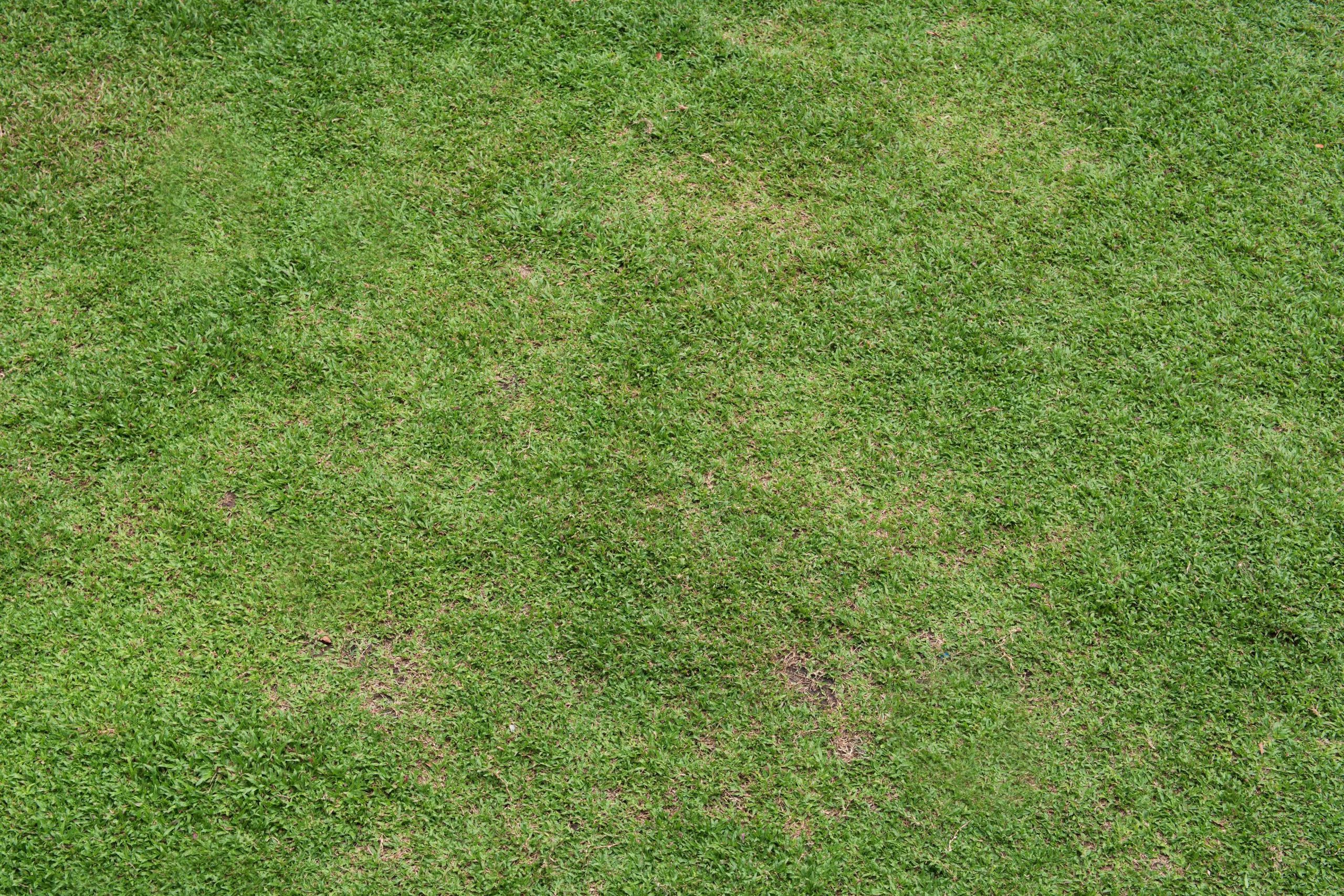 Brown patch disease often infects St. Augustine grass, especially in the fall and early winter. Brown patch disease thrives under conditions in which nighttime temperatures consistently are less than 70 degrees. Added to this are daytime temperatures of near or exactly 80 degrees, and you have the perfect environment for its creation.
Brown patch disease usually begins with small, round areas of grass that become discolored, typically yellow or pale brown. These patches can quickly expand into extensive patches. During the initial developments, the diseased grass can appear puddled or waterlogged.
The main cultural factors that increase the severity of brown patch disease are poor drainage, overwatering, and (excessive) nitrogen fertilizer applications. To prevent brown patch, determine that your lawn has good drainage and aeration; water before 3 pm to allow your la