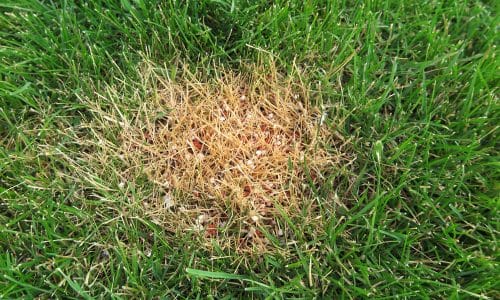
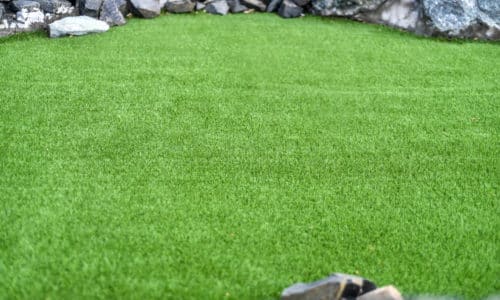
Bermuda grass browns primarily from drought stress, scalping during mowing, or fungal issues due to overwatering. Additional factors can include compacted soil, pests like grubs or worms, or natural winter dormancy.
To fix it, water deeply but infrequently (ideally early morning), increase mower height, dethatch the lawn, and inspect for pests.
1. Winter Dormancy
In Louisiana, Bermuda grass goes dormant after the first hard frost, typically late November to early December. The entire lawn turns straw-colored and stays that way until soil temperatures climb back above 65°F in mid-to-late March.
Fix: None needed. Dormancy is normal. Don’t over-fertilize or over-water; wait for spring green-up.
2. Drought Stress
Even heat-tolerant Bermuda wilts under extended drought. Stressed grass shows a bluish-gray color first, then progresses to tan or brown.
Fix: Water deeply 1 to 1.25 inches per week total, delivered in 2–3 sessions in the early morning. A deep soak encourages roots down, not up.
3. Fertilizer Burn
Over-application of nitrogen, uneven spreader passes, or fertilizing during peak heat can scorch Bermuda grass. The tell: brown streaks or stripes that match your walking pattern.
Fix: Water heavily to leach excess nitrogen. Avoid summer noon applications. Always calibrate your spreader and use slow-release nitrogen in hot weather.
4. Fungal Disease (Large Patch, Dollar Spot, Spring Dead Spot)
Humidity in New Orleans creates the perfect environment for turf fungi.
Large patch: Round patches 1–10 feet wide with darker smoky edges; common in cool, wet spring and fall.
Dollar spot: Silver-dollar-sized tan patches; common in summer humidity.
Spring dead spot: Circular dead areas that appear as Bermuda greens up in spring.
Fix: Reduce watering frequency, water only in the early morning, mow at the proper height, and apply appropriate fungicide per label directions. Persistent cases may need a professional diagnosis.
5. Grub Damage
White grubs, larvae of June beetles, and Japanese beetles eat Bermuda roots from underneath. Damaged turf feels spongy and lifts away like a loose rug.
Fix: Check by peeling back a suspect patch. If you see 5+ grubs per square foot, apply a grub-targeted insecticide (imidacloprid or similar) and water it in.
6. Compacted Soil
Heavy clay soil, foot traffic, or parked vehicles compact the root zone. Water and oxygen can’t reach the roots, and the grass thins and browns out.
Fix: Core aerate in late spring or early summer. Topdress with sand or compost to improve soil structure over time.
7. Dull Mower Blades
Dull blades tear grass instead of slicing it. The torn tips turn whitish, then brown. Seen from the street, the whole lawn looks dry or stressed.
Fix: Sharpen mower blades at least twice per mowing season, more often for large lawns.
8. Pet Urine
Dog urine delivers a concentrated nitrogen burn. Small, round brown spots — often with a darker green ring — give it away.
Fix: Rinse spots thoroughly within 8 hours. Train pets to use a designated area. Over time, Bermuda’s aggressive lateral growth will fill in small spots.
How to Diagnose Your Specific Problem
Symptom
Likely Cause
Whole lawn brown in winter
Dormancy
Brown patches during heat, leaves curling
Drought
Brown in stripes or overlap pattern
Fertilizer burn
Circular patches with colored edges
Fungal disease
Sod lifts like loose carpet
Grubs
Small round brown spots with green rings
Pet urine
Whitish-brown tips across lawn
Dull mower blades
Thin, brown high-traffic areas
Compaction
When to Call a Professional
Call in help if:
Brown spots are spreading faster than you can treat.
Fungicide and watering adjustments haven’t worked.
The lawn needs more than 20% resodding.
You’re unsure of the cause.
Not Sure Why Your Bermuda Grass Is Browning?
TurnKey Grass diagnoses and treats lawn problems across Harahan, River Ridge, Gretna, and the greater New Orleans area. Whether you need a quick repair or a full resod, we’ll pinpoint the real cause and get your lawn back to green. Contact us today!
Frequently Asked Questions
Why is my Bermuda grass brown even though I water it every day?
Daily shallow watering actually causes shallow roots and makes Bermuda more drought-prone. Water deeply 2–3 times per week instead of daily.
Can brown Bermuda grass come back?
Yes — dormant, drought-stressed, and mildly damaged Bermuda recovers once conditions improve. Dead grass (no green at the crown) will not.
How do I revive dormant Bermuda faster in spring?
You can’t force dormancy to break. Bermuda greens up when soil temperatures exceed 65°F. Scalping the lawn at the very end of dormancy can help sunlight reach the crowns.
What’s the difference between dormant and dead Bermuda grass?
Dormant grass has living crowns and roots just below the surface. Pull back the browned blades — if you see white, firm tissue at the base, it’s dormant. Brown, mushy crowns indicate dead grass.
Should I fertilize brown Bermuda grass?
Not if it’s dormant or stressed. Diagnose the cause first; fertilizing stressed grass often makes the problem worse.
How long does it take Bermuda to recover after stress?
Mild stress: 1–3 weeks. Heavy damage: 4–8 weeks. Total resodding may be needed for large dead zones.





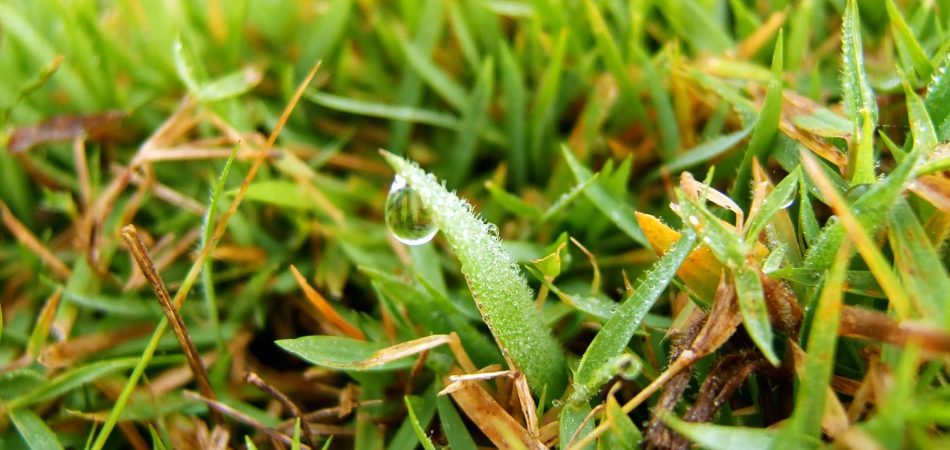
 TurnKey Grass
  White grubs, larvae of June beetles, and Japanese beetles eat Bermuda roots from underneath. Damaged turf feels spongy and lifts away like a loose rug.