Bermuda grass is one of the most popular warm-season turfgrasses in New Orleans, prized for its heat tolerance, dense growth, and the kind of lush green color that turns a yard into a showpiece. If you’re a homeowner along the Gulf Coast and you want a lawn that can handle Louisiana’s brutal summers, heavy rains, and clay-heavy soils, Bermuda is almost always on the shortlist. This complete guide walks you through everything you need to know about installing, caring for, and maintaining Bermuda grass in the New Orleans area.
Why Bermuda Grass Thrives in New Orleans
New Orleans sits in USDA Hardiness Zone 9a, with long, humid summers, mild winters, and average annual rainfall north of 60 inches. Bermuda grass (Cynodon dactylon) is built for exactly this climate. It thrives in full sun, bounces back quickly from foot traffic, and pushes aggressive lateral growth through both stolons and rhizomes — which is why it recovers so well from summer heat stress.
Key reasons Bermuda performs so well locally:
Heat tolerance: Grows actively when soil temps exceed 65°F, with peak growth from 80–95°F.
Drought resistance: Deep root system pulls moisture even during dry spells.
Wear recovery: Ideal for families, pets, and yards that see regular play.
Disease resistance: Handles humidity better than most warm-season grasses when mowed properly.
Choosing the Right Bermuda Grass Variety
Not all Bermuda grasses are the same. For New Orleans lawns, the most common options are:
Common Bermuda: Seeded variety, affordable, coarse texture.
Celebration Bermuda: Dark blue-green color, excellent shade tolerance (for a Bermuda), strong recovery.
TifTuf Bermuda: Award-winning drought tolerance, fine texture, top-tier for residential lawns.
Tifway 419: The workhorse of sports fields and golf course fairways across the South.
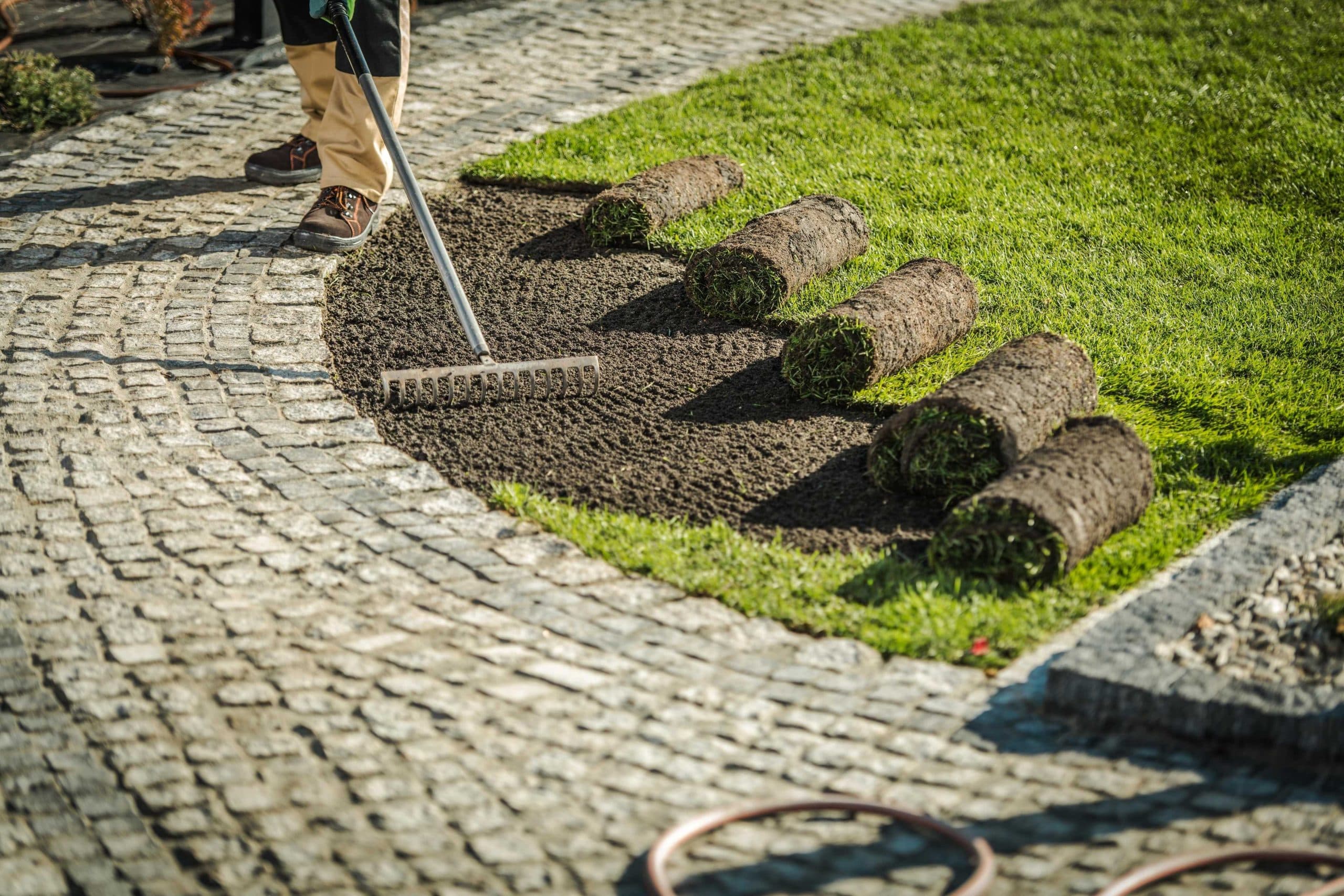
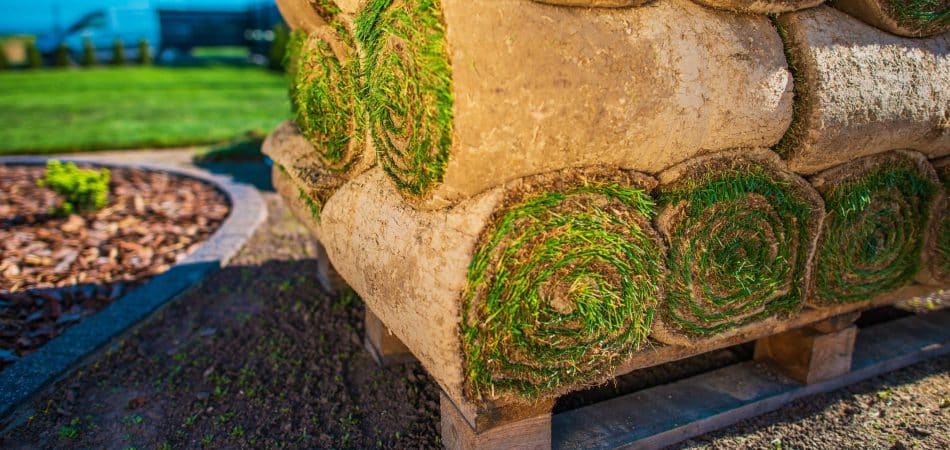
In Louisiana, Bermuda grass is almost always installed as sod rather than seed. Sod gives you an instant lawn, establishes faster, and dramatically reduces the weed pressure that new seeded lawns face. Here’s how a professional Bermuda sod installation typically goes:
1. Site Preparation
Remove existing grass, weeds, and debris. Till the top 3–4 inches of soil to break up compaction and mix in organic matter or topsoil if the native soil is heavy clay. Grade the area so water drains away from the house.
2. Soil Testing & Amendments
A soil test reveals pH and nutrient levels. Bermuda prefers a pH of 6.0–7.0. LSU AgCenter offers affordable soil tests for Louisiana homeowners.
3. Laying the Sod
Sod pieces are laid in a staggered brick pattern with tight seams. A sod roller presses the grass into firm contact with the soil.
4. Initial Watering
Water deeply within 30 minutes of installation. For the first two weeks, water daily to keep the soil consistently moist.
Watering Bermuda Grass in New Orleans
Established Bermuda lawns typically need about 1 to 1.25 inches of water per week, including rainfall. During summer, water deeply 2–3 times per week in the early morning rather than lightly every day. Deep, infrequent watering encourages roots to grow down — a key defense against heat stress.
Mowing Bermuda Grass
Bermuda prefers a low mowing height of 1 to 2 inches. Mow with a sharp blade, never removing more than one-third of the grass height per cut. During peak summer growth, that often means mowing every 5–7 days.
Fertilizing Bermuda Grass
Bermuda is a heavy feeder. A typical annual program includes:
Early spring (after green-up): Balanced fertilizer (e.g., 16-4-8) at 1 lb N per 1,000 sq ft.
Summer: Apply nitrogen monthly at 0.5–1 lb N per 1,000 sq ft.
Early fall: Final feeding before dormancy, ideally with higher potassium to boost cold tolerance.
Avoid heavy nitrogen after mid-September — it can delay dormancy and leave the lawn vulnerable to a hard freeze.
Weed, Pest, & Disease Control
Bermuda’s density naturally crowds out most weeds, but a proactive plan still helps:
Pre-emergent herbicides in late February and again in early fall.
Post-emergent spot treatments for escape weeds like dollarweed and crabgrass.
Watch for armyworms and sod webworms in late summer.
Large patch disease is the biggest threat — mow high into fall and avoid overwatering.
Bermuda Grass Dormancy in Louisiana
Yes, Bermuda grass goes dormant in Louisiana. It turns straw-colored after the first hard frost (usually late November–early December) and greens back up in mid-to-late March. Dormancy is normal — the lawn is alive, just resting. Resist the urge to over-fertilize or over-water during winter.
Common Mistakes to Avoid
Mowing too high (invites weeds and disease)
Watering shallow and daily (causes weak roots)
Planting Bermuda in shade (it needs 6+ hours of direct sun)
Skipping pre-emergent in February
Ignoring soil tests
Frequently Asked Questions
How long does Bermuda grass take to establish in New Orleans?
Sod-installed Bermuda typically establishes roots in 2–3 weeks and is considered fully established after 6–8 weeks of proper watering and care.
Can I install Bermuda grass myself?
You can, but professional installation ensures proper grading, soil preparation, and sod contact — all of which dramatically affect long-term success. Contact TurnKey Grass for a free estimate.
Is Bermuda grass good for families with pets?
Yes. Bermuda’s dense, wear-tolerant growth handles pet traffic better than most warm-season grasses, and its aggressive recovery helps repair damage.
How much does Bermuda grass sod cost in Louisiana?
Installed Bermuda sod typically runs $0.85–$2.25 per square foot depending on variety, lot size, and site prep required.
What’s the difference between Bermuda and St. Augustine in New Orleans?
The best window is April through August, when soil temperatures are warm and roots can establish before winter dormancy.
Ready to Install Bermuda Grass in New Orleans?
TurnKey Grass has installed Bermuda sod across Metairie, Kenner, Mandeville, and the greater New Orleans area for years. Our team handles everything from soil prep to final roll-out, so you get a lush, established lawn without the learning curve.





 TurnKey Grass