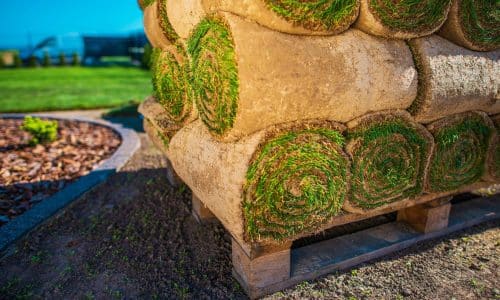
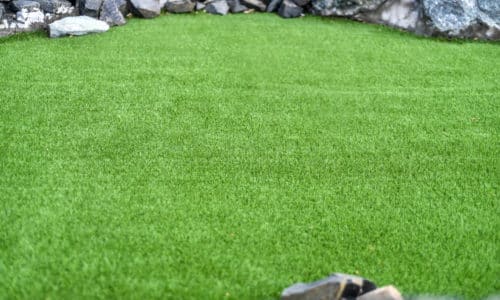
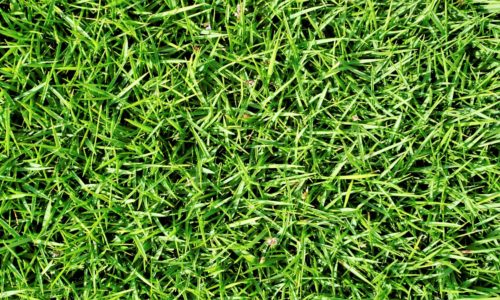
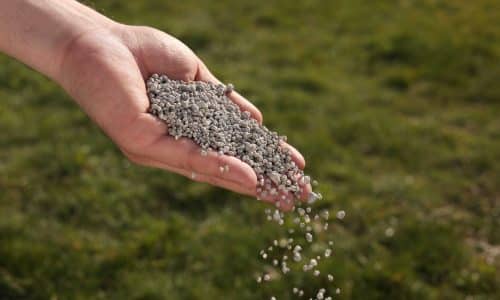
St. Augustine grass flourishes in New Orleans’ warm and humid weather. That is the reason why St. Augustine grass is far more commonly used in local yards. Though it does have some issues, such as brown patches, chinch bugs, and thatch accumulation, it can be managed with TurnKey Grass.
All these issues can easily be managed using maintenance, such as pest removal, draining, and dethatching whenever necessary. If you know what the issues are and how they should be fixed, you can be able to produce a year-round green, healthy lawn. The following is an in-depth explanation of how these solutions can work.
Common Diseases in St. Augustine Grass
Having the ability to identify and treat Augustine Grass diseases promptly is essential in maintaining a healthy lawn. Continue reading below as we explore typical diseases that occur in St. Augustine grass, their symptoms and signs, and causes.
Identifying Brown Patch Disease
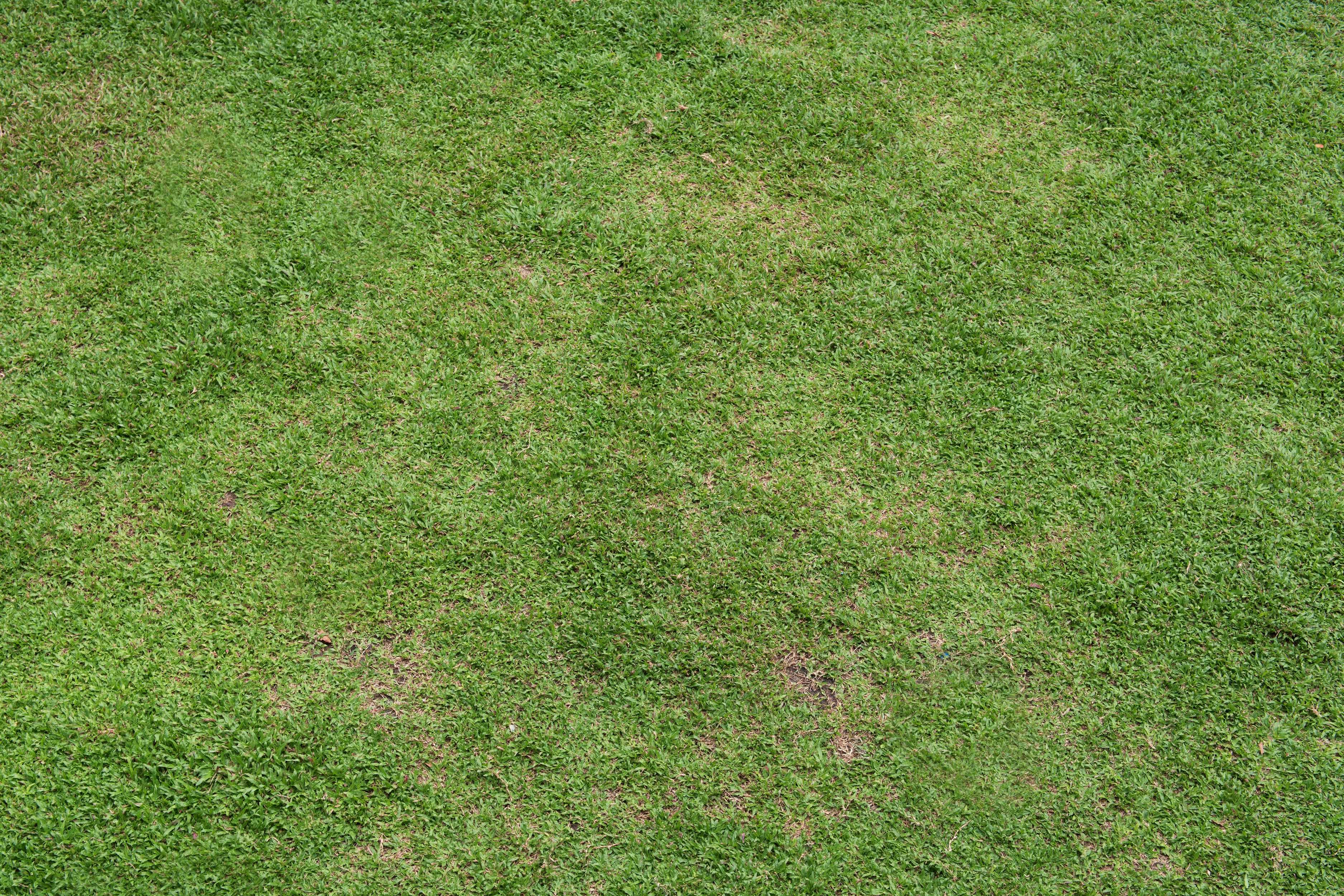
Brown patch disease often infects St. Augustine grass, especially in the fall and early winter. Brown patch disease thrives under conditions in which nighttime temperatures consistently are less than 70 degrees. Added to this are daytime temperatures of near or exactly 80 degrees, and you have the perfect environment for its creation.
Brown patch disease usually begins with small, round areas of grass that become discolored, typically yellow or pale brown. These patches can quickly expand into extensive patches. During the initial developments, the diseased grass can appear puddled or waterlogged.
The main cultural factors that increase the severity of brown patch disease are poor drainage, overwatering, and (excessive) nitrogen fertilizer applications. To prevent brown patch, determine that your lawn has good drainage and aeration; water before 3 pm to allow your lawn to dry out by evening. Systemic fungicides can be used as a preventative, localized treatment in the early onset of the disease.
Causes and Symptoms of Take-All Root Rot
Take-all root rot is a more severe disease and tends to occur in the growing months, April and May. Take-all root rot is a disease caused by the fungus Gaeumannomyces graminis. It primarily infects the roots and softens the grass, subjecting it to more stress.
You may see grass that’s turning yellow to brown. Thinning patches of grass may develop, and in advanced stages, the grass will pull up easily from the soil due to decayed roots. This disease excels in wet conditions. Overwatered and poorly drained lawns are most prone to infection. Compacted soils and inadvisable fertilization procedures will accelerate its spread.
Prevention of take-all root rot involves maintaining an appropriate fertilization schedule, promoting soil aeration, and managing watering cycles. Once symptoms appear, treatment must be done, and the ideal choice is to apply a fungicide specifically labeled for take-all root rot.
Recognizing the Fairy Ring and Its Effects
Fairy ring is a fungal disease that causes eye-catching circular or arc-shaped patterns of dark green grass. You’ll usually notice dead or declining turf in the middle. Occasionally, mushrooms will appear in a ring around the border, particularly after a heavy rainfall.
This illness results when fungi decompose organic matter in the ground, freeing excess nitrogen that promotes uneven growth of grass. New Orleans’ tropical, wet climate is the perfect setting for a fairy ring to flourish. This is especially common in yards with thick layers of undecomposed organic material.
The fairy ring is difficult to treat. These fungi prefer to develop in the compacted soil, and hence, deep watering and aeration of the soil prove to be good treatments. Dethatching the lawn eliminates the organic matter that feeds the mushrooms. If the issue continues, an application of fungicide will be required.
Nigrospora Stolon Rot: What to Look For
Nigrospora stolon rot, which is caused by the fungus Nigrospora sphaerica, attacks the stolons—the stems just above the surface of the soil. Drought stress and high summer temperatures create the perfect endemic environment for this disease. These conditions reduce the plant’s capacity to take in water and nutrients.
These fungi cause symptoms such as blackened stolons that dry and turn brittle, resulting in irregular patches of grass. Without treatment, the disease can quickly get out of control, creating extensive destruction.
How to Control Nigrospora Stolon Rot: Provide thorough watering during especially hot, dry spells and keep mowing heights high to prevent scalping turf. Proper fertilization practices and dethatching can go a long way in making your lawn more resistant to this disease.
Gray Leaf Spot: Causes and Early Signs
Gray leaf spot is a widespread fungal infection, caused by Pyricularia grisea, that attacks St. Augustine grass leaves. The disease usually establishes itself during periods of intense heat and humidity that render New Orleans area lawns highly vulnerable.
Early signs are small, oval-shaped lesions with dark brown borders on grass blades. The lesion enlarges, and the grass blades die as the disease progresses, giving your lawn a scorched appearance. Overwatering, too much use of nitrogen fertilizer, and scalping grass by mowing too closely will intensify dark leaf spot.
To have a better chance of preventing gray leaf spot, avoid overwatering and mowing properly to minimize the disease. When signs of gray leaf spot occur, fungicides must be sprayed when you first notice symptoms to prevent damage.
Understanding St. Augustine Decline (SAD)
Understanding St. Augustine Decline (SAD). SAD is another viral disease that transmits via infected plant material or equipment. Unlike fungal diseases, SAD cannot be cured with fungicides. Symptoms are new-yellowing of the grass blades, reduction in growth, and thinning of the turf with time.
Because SAD can be confused with other issues, such as nutrient deficiencies, accurate diagnosis is imperative. Like any disease, prevention is always the best control. Plant resistant varieties of St. Augustine grass like ‘Floratam.’
Attain a Thick, Healthy Lawn
Rich, verdant grass is more than just a stylish addition—it boosts your property’s worth and provides your loved ones with an area to unwind and de-stress. Whether you’re plagued by continuous lawn challenges or need specialized support, call TurnKey Grass. A healthy, dense lawn is within reach if you take the right measures.





 TurnKey Grass
  Brown patch disease often infects St. Augustine grass, especially in the fall and early winter. Brown patch disease thrives under conditions in which nighttime temperatures consistently are less than 70 degrees. Added to this are daytime temperatures of near or exactly 80 degrees, and you have the perfect environment for its creation.