Centipede grass is a desirable choice for easy-care lawns, yet it comes with its fair share of challenges. In general, yellow patches may indicate nutrient deficiency; bare areas may arise from overwatering; and vulnerable patches may become infested with weeds.
To keep a lawn looking good, one must know what type of problems centipede grass faces and work toward addressing those problems. As a general practice, proper fertilizing, watering regularly, and applying pre-emergent herbicides to kill weeds may be good maintenance practices. At TurnKey Grass, we can assist with any concerns you have with your centipede grass.
What Is Centipede Grass?
Centipede grass is frequently referred to as “lazy man’s grass“ because it is a low-maintenance turf species that is warm-season, and it has enjoyed considerable popularity in New Orleans and the southeastern U.S.
It grows rather slowly and tolerates minimal fertilization, flourishing under warm, humid conditions, especially where soils are low in nutrients and acidic. For the homeowner, this means achieving the maximum green lawn with the least maintenance.
Characteristics and Adaptations
Centipede grass is very bright green and presents an attractive picture in spring, turning deep brown in winter. It can thrive in low-fertility soils whenever able to secure enough moisture; however, it simply goes under stress under drought. Watering should be deep enough to soak 4 to 6 inches on occasion to ensure its health. Irrigation at night can reduce drought stress by close to 50%. Germination takes about 28 days, so one must exercise patience. Frost at that time can cause injury to the new grass, which withstands reasonable traffic stress but certainly does not prosper in the cold.
The Ideal Growing Conditions
Centipede grasses grow perfectly well in sunny areas receiving an annual rainfall of 40 inches or more and humid, acidic soils in the southeastern USA. If one is capable of maintaining it with good moisture management, one can get a nice lawn out of it.
Identification of Nutrient Deficiencies
As with other grasses, centipede grass will do best in deep, well-balanced soil. A lack of specific nutrients can cause malformation and unsightly imperfections that will last for the duration of the grass’s life. Recognizing these problem areas is half the battle; treating them requires care and attention.
Yellowing Grass Blades
Yellow or pale blades indicate iron deficiency, often due to excess phosphorus or high-pH soils. Use chelated iron or liquid iron (like ferrous sulfate) at 2 oz. Per 1,000 sq. ft. mixed with 3 to 5 gallons of water for better color. Apply during the cooler parts of the day for even nutrient distribution.
Stunted Growth
Thin and stunted growth suggests a nitrogen or potassium deficiency. Nitrogen promotes growth, but an excess can create an imbalance. Potassium is vital for dormancy and defense against diseases. A soil test would show if potassium levels were low and how best to apply it.
Soil Tests
Soil tests help with any nutrient deficiency determination, including pH, nitrogen, phosphorus, and potassium. Testing kits are cheap and available, and you can also hire professionals to carry out analysis in detail. This will ensure that treatment is on target.
Fertilizer
Balanced slow-release fertilizers designed for centipedegrass were used. In the late season, potassium is emphasized for winter hardiness, while nitrogen must be kept low to avoid excessive growth.
Address Pest Infestations
While centipede grass has its advantages, it does face pests that can threaten its health and aesthetics. Knowing how to spot and prevent these pests is crucial for a healthy and green lawn.
Grubs & Other Lawn Pests: Identifying and Controlling
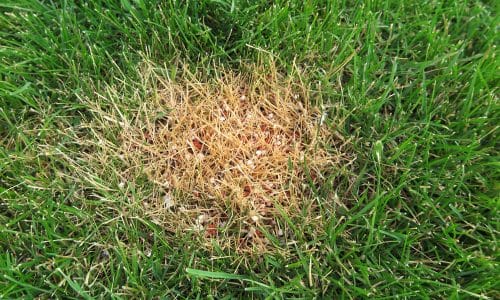
Grubworms are bad for centipede grass because they feed on the roots, causing yellow patches and a weakened turf, particularly thriving during June through August. Spongy areas and the easy peeling back of turf are two good indicators of grub infestation.
Applying insecticides in a curative manner during the middle of July would destroy most of the grub population before much damage is done, as well as aerate the soil to help prevent further infestations unless grass height is maintained properly.
Nematodes: Signs and Solutions
Grass looks weak with patchy and discolored areas even though it is cared for. This happens whether or not nematodes are present. A proper way to confirm any assumption of nematode presence would be a soil analysis. Soil ecology improvement helps against nematodes, while resistant populations are sometimes treated with specialized nematicides.
Mole Crickets: Identification and Control
Mole crickets burrow under the lawn, uprooting grass and causing uneven patches of brown. Their eggs hatch during summer, adding injury to insult. Loose soil mounds, when detected early, can be a good sign to nip a serious problem in the bud. Targeted insecticides applied early in the summer can be a successful means of control.
Chinch Bugs: Identification and Management
Chinch bugs suck on the sap of grasses, turning patches yellow or brown, especially in hot and dry weather. Check under pots and within affected areas for tiny black insects. Use green insecticides or release natural predators like ladybugs to keep their populations in check.
Spittlebug: What to Watch For and Control
Spittlebug leaves frothy foam on the grass stem while sucking sap and causing wilting, with peak damage occurring in summer when humidity is high. Controls include thatching and applying insecticides in mid-July. Proper irrigation can also eradicate their habitat.
Ground Pearls: Prevention and Control
Ground pearls suck nutrients from roots, forming dead patches capable of a huge spread. Though extremely difficult to control once established, good fertilization and soil aeration are crucial in their prevention. They require prompt control to limit damage.
Implement Proper Watering Techniques
The process of watering needs to be on point. When done correctly, watering can make centipede grass prosper. Conversely, incorrect methods of over- or underwatering will spell woes for centipede grass with indecorous symptoms: yellowing, thinning, browning, and even root-rotting. Proper watering practices for this ryegrass will ensure its glory days and nights.
Preventing the Overwatering
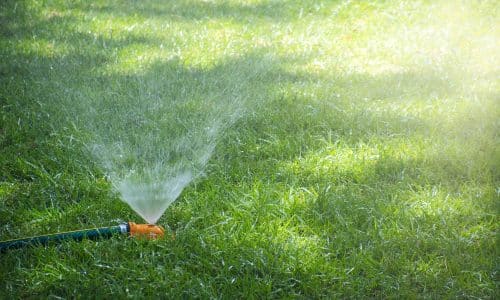
Avoid pooling water that could cut off oxygen to the centipede’s grassroots with overwatering. Watch the weather and do not water if it is raining heavily or the humidity is very high. For example, if your lawn receives an adequate inch of rain, allow it some time before using your irrigation. Aim for some drying between waterings, using deep watering that will allow the hydration to benefit root growth to the depths of about 4-6 inches.
Preventing Underwatering
Although drought-tolerant, centipede grass requires some watering, especially under the scorching New Orleans sun. This grass will show signs of underwatering by curling or limp blades. To relieve an ailing lawn, deep-water it with ¾ to 1 inch of water the next morning to see the results.
Ideal for Irrigation
To get the best out of irrigation, it should be done before the sun rises to bar evaporation. After fertilizing, a short irrigation of 0.25 – 0.5 inch should be made in order to leach nutrients into the soil. Deep irrigate less frequently, checking soil moisture and background weather conditions to enhance the health of your lawn and conserve water.
Contact us at TurnKey Grass
Centipede grass will normally flourish if we give it the right care. By carefully monitoring soil health, providing proper watering, and quickly addressing any pest or disease problems, we can maintain green and healthy lawns in all climates. Our ultimate goal is to assist you in establishing a beautiful yard that would fit well into New Orleans’ peculiar climate. Contact us today!





 TurnKey Grass
 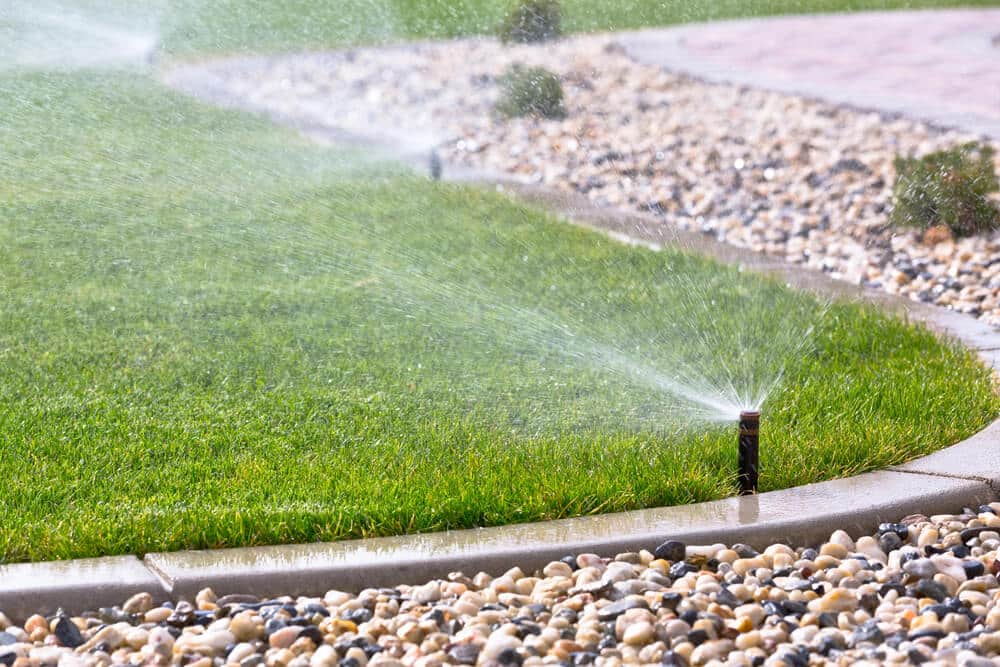 Avoid pooling water that could cut off oxygen to the centipede’s grassroots with overwatering. Watch the weather and do not water if it is raining heavily or the humidity is very high. For example, if your lawn receives an adequate inch of rain, allow it some time before using your irrigation. Aim for some drying between waterings, using deep watering that will allow the hydration to benefit root growth to the depths of about 4-6 inches.