A lush, green lawn is the dream of many New Orleans homeowners. It’s a space for outdoor activities and relaxation, and it adds real beauty to your property. The good news is that keeping a great lawn in our hot, humid Gulf Coast climate doesn’t have to involve harsh chemicals that can harm the environment, your family, or your pets. With a few natural, sustainable practices suited to Southeast Louisiana, you can grow a healthy, thriving lawn while keeping your surroundings safe.
In this post, we’ll walk you through simple, eco-friendly ways to care for your lawn without relying on harmful chemicals. From natural fertilizers to better mowing techniques, here’s how to maintain a healthy lawn without putting your health or the planet at risk.
1. Choose the Right Grass for Your Region
The first step to a healthy, chemical-free lawn is choosing the right grass type for your region. Not all grass varieties thrive in every climate, and planting the wrong type can result in extra maintenance and the need for chemical treatments.
Cool-season grasses like Kentucky bluegrass, fescue, or ryegrass do well in cooler climates and are typically more resilient to temperature changes.
Warm-season grasses like Bermuda, Zoysia, and St. Augustine thrive in warmer climates and can handle the heat better without the need for excessive watering or chemicals.
Since New Orleans sits in USDA Zone 9b, warm-season grasses are the natural fit for yards in Metairie, Kenner, Gretna, Slidell, and across the Northshore. Matching your grass to our Gulf Coast climate cuts down the care your lawn needs, which means fewer pests, less water, and healthier grass without leaning on chemical fertilizers or pesticides.
2. Use Natural Fertilizers
Fertilizers are often loaded with chemicals that can seep into the soil, pollute water sources, and harm beneficial insects and animals. Instead of using synthetic fertilizers, opt for organic or natural alternatives that nourish your soil and grass without posing any harm.
Here are a few natural fertilizer options:
Compost: One of the best and most sustainable ways to fertilize your lawn is by using compost. Compost is full of beneficial microorganisms that help enrich the soil, improve drainage, and encourage healthy grass growth. You can easily make your compost at home with kitchen scraps, yard waste, and organic matter.
Grass clippings: Leave your grass clippings on the lawn after mowing. As they break down, they return valuable nutrients to the soil and act as a natural fertilizer. This also helps retain moisture and reduces the need for additional watering.
Fish emulsion: This liquid fertilizer made from fish byproducts is rich in nitrogen, which promotes healthy green growth. It’s an excellent option for feeding your lawn without harming the environment.
Manure: If you have access to manure, use it as an organic fertilizer. It contains nitrogen, phosphorus, and potassium, the essential nutrients your grass needs. Be sure to compost manure before applying it to avoid burning your grass.
3. Mow at the Right Height
Mowing your lawn correctly plays a significant role in maintaining its health. While it may be tempting to cut your grass very short for a neat appearance, this can actually stress the grass and make it more susceptible to disease and pests.
Here’s what you need to know:
Mow high: Keep your grass in a higher setting (about 2.5 to 3.5 inches) for the healthiest lawn. Longer grass blades provide shade to the soil, which helps reduce weed growth and prevents the lawn from drying out.
Avoid cutting more than one-third of the grass height at once: Cutting too much of the grass blade at once can stress the lawn, making it more vulnerable to pests, disease, and drought. Regular mowing and keeping the grass at a consistent height are key.
Mow when the grass is dry: Wet grass can clump together and make your lawn appear uneven. It can also clog your mower and make it harder to get an even cut. Mowing when the grass is dry ensures a clean, healthy trim.
4. Water Wisely
Proper watering is essential for a healthy lawn, but overwatering or improper watering can lead to problems. Overwatered lawns may develop shallow root systems, making them more dependent on water and vulnerable to disease.
Water deeply and infrequently: Watering deeply encourages deep root growth, which makes the grass more drought-resistant. Aim for about 1 to 1.5 inches of water per week, either from rainfall or irrigation.
Water early in the morning: Watering in the early morning allows the grass to dry before the sun gets too hot, reducing the chance of fungal growth. Avoid watering in the evening, as it can leave the grass wet overnight, promoting disease.
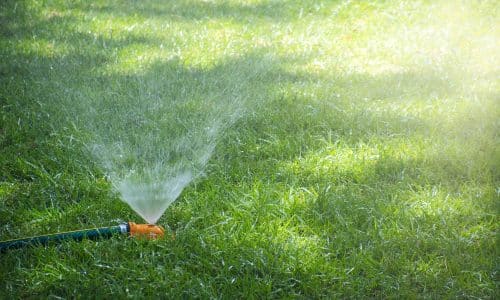
Use a sprinkler with an even distribution: To avoid overwatering specific areas of your lawn, use a sprinkler system that delivers water evenly across the entire lawn. This ensures consistent hydration, which is essential for healthy growth.
5. Aerate Your Lawn
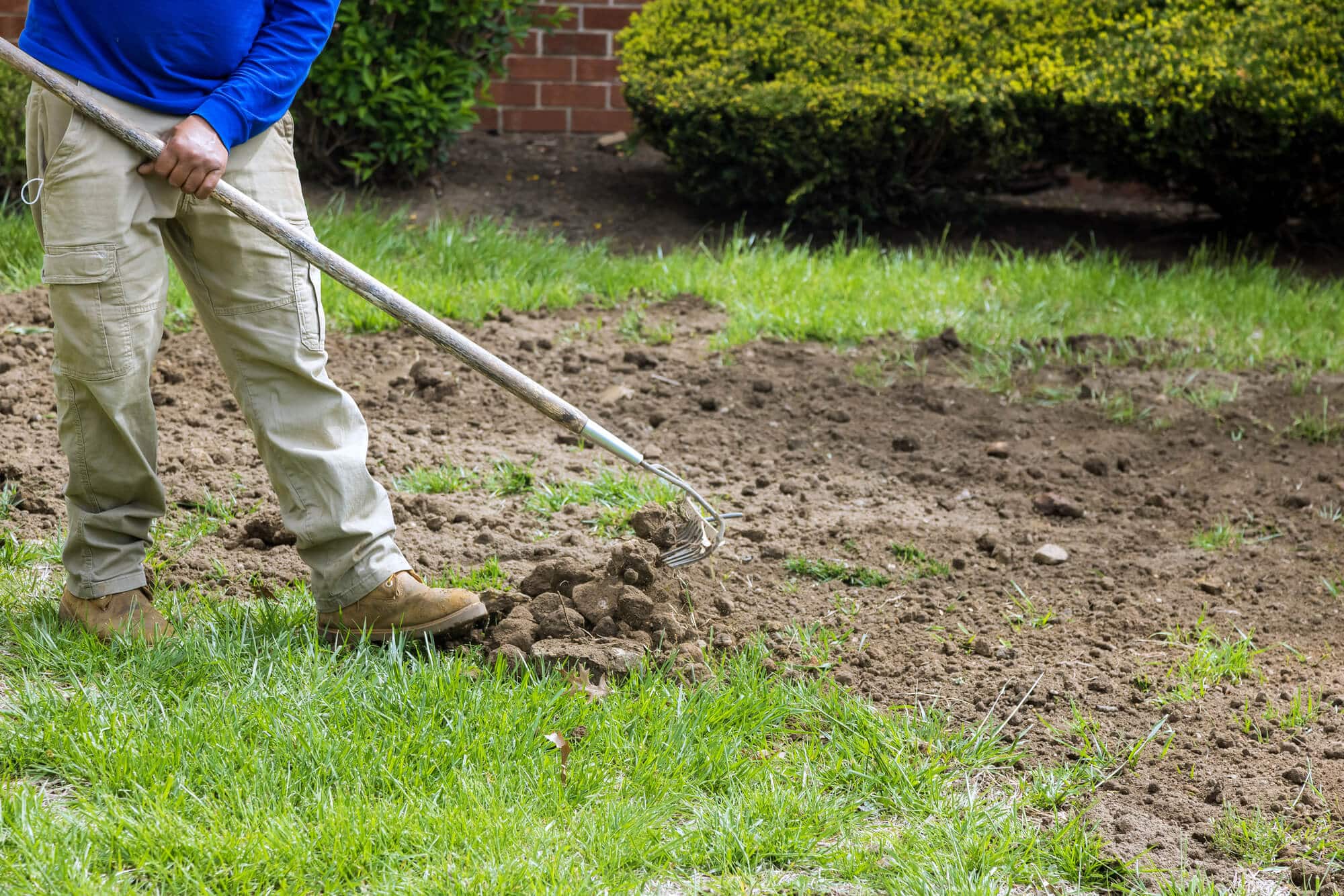
Aerating your lawn is a natural way to improve soil health without chemicals. Over time, the soil in your yard can become compacted, making it difficult for water, air, and nutrients to reach the roots of your grass.
Aeration involves creating small holes in the soil to relieve compaction. This matters even more in Southeast Louisiana, where dense, poorly draining soils, clay in some areas and soft, organic delta soil in others, compact easily and hold water. Opening up the soil lets air, water, and nutrients reach deeper, promoting healthier grass roots and improving the overall condition of your lawn.
You can aerate your lawn with a manual or powered aerator, or even rent one if needed. Aerating once a year, especially in the spring or fall, will keep your lawn healthy and reduce the need for chemical fertilizers.
6. Control Weeds Naturally
Weeds are a common problem for many homeowners, but using chemical herbicides can harm the environment and pollute water supplies. Fortunately, there are natural ways to control weeds without resorting to harmful chemicals.
Mulching: A thick layer of mulch can smother weeds and prevent them from growing. Mulch also helps retain moisture in the soil and adds nutrients as it breaks down.
Hand-pulling: For small areas or isolated weeds, pulling them by hand is an effective and chemical-free solution. Be sure to remove the entire root to prevent regrowth.
Vinegar solution: A mixture of white vinegar and water can be sprayed on weeds to kill them naturally. Be careful to avoid spraying this solution on your lawn or desirable plants, as it can kill any plant it touches.
Corn gluten meal: This natural byproduct of corn production acts as a pre-emergent herbicide. It prevents weed seeds from germinating, making it an effective option for controlling weeds in the early stages.
7. Encourage Healthy Soil
Healthy soil is the foundation of a healthy lawn. Soil that’s rich in nutrients and microorganisms will support strong grass and reduce the need for synthetic fertilizers.
Here are a few ways to improve the health of your soil:
Test your soil: Soil testing helps you understand what nutrients your soil may be lacking. You can purchase a soil testing kit from a garden center or send a sample to a local agricultural extension office for analysis. Based on the results, you can amend the soil with organic materials that will address any nutrient deficiencies.
Add organic matter: Organic materials like compost, leaf litter, or shredded bark can help improve soil structure, promote healthy root development, and support beneficial microorganisms.
Conclusion
Maintaining a healthy lawn doesn’t have to mean using harmful chemicals. By choosing the right grass, using natural fertilizers, watering wisely, and employing sustainable lawn care practices, you can keep your lawn lush and green without harming the environment or your health. It’s all about working with nature instead of against it. With these simple tips, you can enjoy a beautiful, chemical-free lawn that’s safe for your family, pets, and the planet.
TurnKey Grass offers premium grass solutions tailored to New Orleans yards. Whether you want drought-resistant varieties, pet-friendly options, or advice on sustainable lawn care for our climate, we’ve got you covered. New to warm-season grasses? Start with our guide to choosing the right grass type for Southeast Louisiana. Contact us today or call 504-608-1540 to take the first step toward a healthier, greener lawn in New Orleans, Metairie, Kenner, Slidell, Mandeville, or Covington.





 TurnKey Grass