Zoysia is the better-looking, tougher lawn, and centipede is the far easier one. In Gretna, we’d pick zoysia only if you’ll keep up with thatch, and centipede if low upkeep is the whole point.
Licensed & Insured, Best Price GuaranteeFREE Estimates4 Grass Varieties14 Metro Cities
So “better” comes down to what you want from a Saturday. When we walk a yard in Gretna, we ask who’ll be doing the mowing before we ask anything about the grass. Here’s how the two compare, what happens when they meet, and why we don’t suggest growing them together.
Is zoysia better than centipede?
On looks and durability, yes. On ease, no. LSU AgCenter’s fact sheets and handouts draw the line like this:
Wear: zoysia has a high tolerance for traffic, though it recovers slowly. Centipede doesn’t tolerate traffic or compaction.
Shade: LSU ranks zoysia second among warm-season grasses after St. Augustine, with centipede third. Shade tolerance varies by zoysia type.
Drought: LSU says zoysia handles dry soils better than other common turfgrasses, and calls centipede one of the most drought-sensitive.
Cold: zoysia has a high tolerance for cold. Centipede doesn’t tolerate cold weather.
Upkeep: LSU calls zoysia a high-maintenance choice. Centipede earned the nickname “lazy man’s grass.”
Most of that list favors zoysia, which is why people ask. But the last row is the one that decides most yards. LSU’s zoysia page warns that without periodic dethatching or topdressing, you can lose the lawn to excess thatch, and it says the stiff leaves need sharp mower blades. Centipede asks for far less, as long as you don’t overfeed it.
Looks are where zoysia’s case is strongest. LSU describes its lush dark-green color, and its 2007 publication says zoysias make the highest quality lawns. Clemson Extension describes centipede’s natural color as Granny Smith apple green, and warns that over-fertilizing to force a darker shade reduces cold tolerance and adds thatch. If you want dark green, buy zoysia. Don’t try to feed centipede into it.
Neither grass heals fast. LSU says both spread slowly, so a dog run or a delivery truck’s rut can last. If you expect that kind of wear every week, neither may be your best match.
If you want a closer look at either grass on its own, see our overviews of zoysia sod and centipede sod.
How do Gretna’s soil and drainage change the choice?
Gretna sits on the West Bank in USDA zone 9b, so cold isn’t the issue that separates these two here. Soil is. Federal soil maps show Harahan clay at most of the points we sampled in Gretna, with Schriever clay at others and Cancienne silt loam at one. The USDA describes Schriever as poorly drained and very slowly permeable alluvial soil, saturated near the surface from December through April in normal years.
That’s a hard setting for both grasses, in different ways:
Centipede: LSU AgCenter says it grows where there’s little compaction and good drainage. Its 2026 winter decline sheet names centipede as one of the grasses hit most often in wet, low-lying soil.
Zoysia: LSU says its shallow roots have difficulty with compacted soil. It doesn’t appear on that winter decline list as a named problem grass, but a soggy, packed yard won’t suit it either.
So in Gretna, we’d sort out the drainage and tilling before settling on a grass. LSU’s sod guide calls for tilling 4 to 6 inches and shaping the surface so water moves off. Our post on preparing a lawn for zoysia shows that work in more detail, and our Gretna service area page covers local lots.
Do a soil test first
This pair wants different soil. LSU AgCenter puts zoysia’s ideal pH between 6 and 7 and centipede’s between 5 and 6. If your test comes back around 6.5, zoysia starts with an edge. LSU’s Dr. Tom Koske does note that centipede can do fine at 6.7 with a lighter color, so that number alone won’t rule it out.
Will zoysia overtake centipede?
It might, slowly, and LSU’s own publications lean two ways on this. The newer Home Lawn Series says zoysia spreads slowly through stolons and rhizomes. An older LSU publication, Turfgrass for Louisiana Lawns from 2007, says zoysia grows slowly but is “extremely aggressive and will invade other grass areas.” Both can be true. It isn’t fast, but it’s dense and persistent.
We couldn’t find a university trial that measured these two head to head, so treat any confident claim about who wins as a guess. What we can say from the plant biology is that zoysia has underground rhizomes and centipede doesn’t. Clemson Extension notes that because centipede makes only surface runners, it’s easy to control around borders. That points to zoysia as the likely long-term winner in sun where both are healthy, with fertility and soil pH able to tilt things either way.
LSU AgCenter agent Mary Ferguson gives a useful rule for mixed lawns, written about St. Augustine and centipede but sound here too: if you have some of both and prefer one, you can promote it by following the recommended practices for that grass. Feed and manage for the one you want.
Can you mix zoysia and centipede grass?
You can, but we don’t recommend it. No extension source we read suggests planting them together on purpose, and their needs pull in opposite directions:
Nitrogen: zoysia takes up to 2 pounds per 1,000 square feet a year. Centipede’s sheet says up to 1, and LSU warns more than 2 may bring on decline. Feed for zoysia and you risk the centipede.
pH: liming for one moves soil away from the other’s range.
Thatch: zoysia may need vertical mowing, and LSU also warns that thatch is very dangerous for centipede, so both need watching on separate terms.
Look: the leaf color and texture differ, so the patchwork shows.
Our advice is to pick one and commit. If you’ve inherited a mix, our guide to choosing the right grass can help you decide which one to favor, and the centipede problems post covers keeping that side healthy.
Which one should you lay in Gretna?
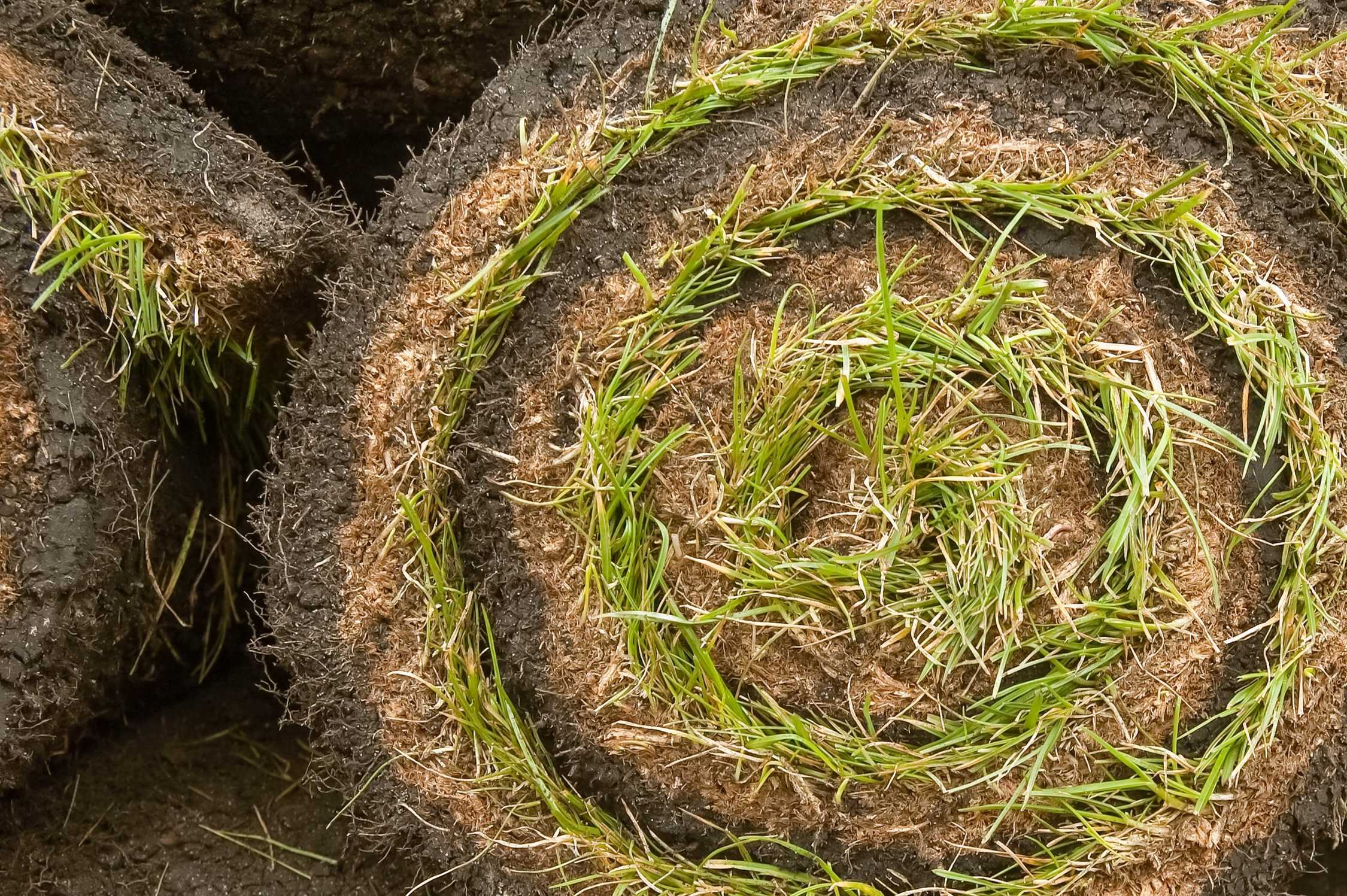
Pick zoysia if you want a dense, dark lawn, you’ve got moderate sun, and you’ll sharpen blades and handle thatch. See zoysia sod in Gretna. Pick centipede if the yard drains decently, foot traffic is light, and you want fewer chores. See centipede sod in Gretna. Either way, LSU AgCenter says most centipede and zoysia lawns start as sod, which skips the long fill-in time of seed or plugs.
Want help choosing for your Gretna yard?
We’ll walk it with you and give you a free estimate. Call TurnKey Grass at (504) 608-1540.
Ready to say goodbye to lawn stress and hello to a stunning green oasis? Get a free quote today and see how TurnKey Grass can make your lawn dreams a reality!