What Is the Downside of Zoysia Grass in New Orleans?
The main downside of zoysia in New Orleans is thatch. It builds faster than on most lawns, and if you don’t manage it, you can lose the grass. Slow recovery and fussy mowing come right behind it.
Licensed & Insured, Best Price GuaranteeFREE Estimates4 Grass Varieties14 Metro Cities
Zoysia has real fans, and we understand why: few lawns look that good. But we tell New Orleans homeowners about the drawbacks before they buy, because most zoysia regrets come from not knowing what the grass asks for after the sod goes down. Here’s the honest list.
What is the downside of zoysia grass?
LSU AgCenter’s zoysia page says these lawns “can make the most beautiful and slow-growing lawns, but they can also be big problems.” Its publications point to five drawbacks.
Thatch builds up quickly
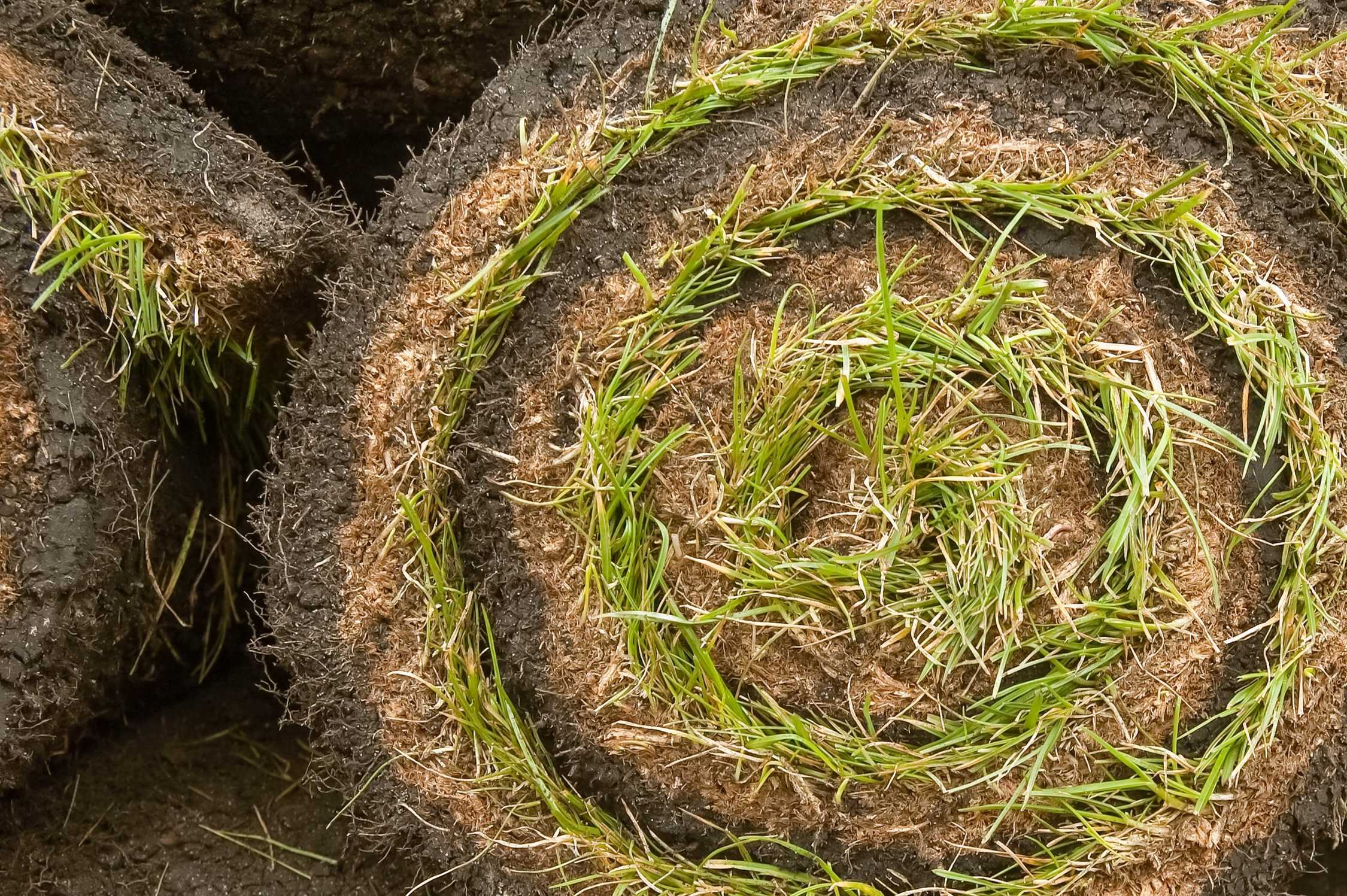
Thatch is the dead, spongy layer between the blades and the soil. LSU’s Home Lawn Series says it can develop especially in zoysia, and its zoysia page warns that without periodic dethatching or topdressing, you can lose a lawn to it. An older LSU publication from 2007 goes further: the problem often requires replacing zoysia after five to seven years when homeowners don’t dethatch, and it says that’s especially true in south Louisiana. That’s a dated figure and it’s tied to neglect, but it tells you what the risk looks like.
It’s hard to mow well
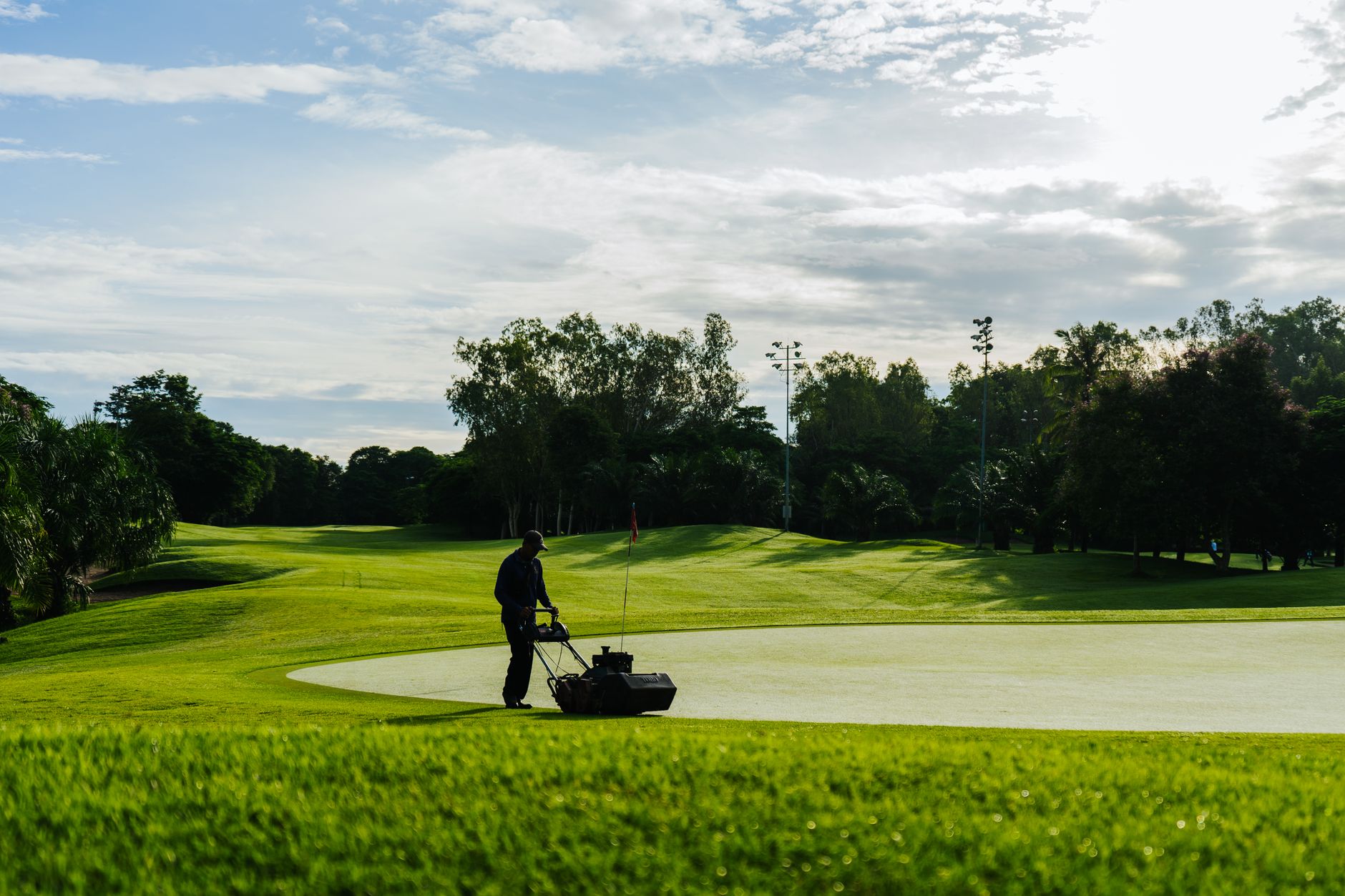
The leaves are stiff, and LSU says they’re hard to cut without a sharp mower. A reel mower gives the best look. If you use a rotary mower, LSU’s advice is to choose the taller cut and sharpen the blades three times a season, and to collect clippings to help manage thatch. That’s more equipment and attention than most yards need.
It recovers slowly
LSU AgCenter says zoysia has a high tolerance for wear but recovers slowly. It takes a beating well, but once a spot is damaged, it stays damaged for a while. Pest and wear damage is slow to fill for the same reason.
It costs more up front
Clemson Extension says zoysia is slow to cover, which makes it more costly to establish. University of Georgia Extension makes the same point, calling for more investment on the front end. Plugging is especially slow, and LSU says it can take 2 to 3 years to fill in, with newer types sometimes reaching full coverage in one year. That’s why most zoysia lawns go in as solid sod.
It has its own pests and diseases
LSU lists billbugs, nematodes, rust, and brown patch as problems. Its large patch sheet also names zoysia as susceptible. No warm-season grass is free of this, so don’t count it as a dealbreaker. Just don’t assume a dense lawn is a trouble-free one.
Is zoysia a good fit for New Orleans?
It can be, with a plan. New Orleans is USDA zone 9b, and zoysia’s cold tolerance isn’t what you’re paying for here, since the heat and growing season are long. LSU’s 2007 publication makes an unusual point about that: it says zoysia may be a little more practical in extreme north Louisiana, where lower temperatures limit growth. A long growing season gives thatch more time to build, so plan on keeping up with it here.
That same publication says growers shouldn’t grow it in total full sun or under high fertility, and the newer zoysia page says mature sod should get low fertility, more like centipede, at 1 to 2 pounds of nitrogen per 1,000 square feet a season. So feeding zoysia hard for a darker color works against you.
Soil is the other local issue. Federal soil maps show Schriever clay at most of the points we sampled around the city’s center, with Harahan clay at others, and the USDA describes Schriever as poorly drained and very slowly permeable. LSU says zoysia’s shallow roots have difficulty with compacted soil. So when we look at a yard in New Orleans that’s been driven on or built on recently, we’d want it tilled 4 to 6 inches before any zoysia goes down. Our post on preparing a New Orleans lawn for zoysia covers that work, and our New Orleans service area page has more on local yards.
Shade is where zoysia does earn its keep. LSU ranks it second only to St. Augustine among warm-season grasses, though this varies by type. If you’re dealing with filtered light from a live oak and St. Augustine isn’t appealing, it’s worth a look. Remember that LSU says most turfgrasses still need four to six hours of full sun.
Will zoysia choke out other grasses?
Slowly, sometimes, and not always. This is where the common claim needs some care.
LSU’s 2007 publication says zoysia is “extremely aggressive and will invade other grass areas,” and it does form a thick, dense mat with both stolons and rhizomes. That density can crowd out competition over time. But LSU’s current sheet also says it spreads slowly, so don’t expect it to clear a yard of anything quickly. Here’s how we’d frame it by neighbor:
Against Bermuda: don’t count on it. University of Georgia Extension says zoysia lawns are often unable to compete with bermudagrass during summer, and LSU says Bermuda spreads quickly. In a sunny New Orleans yard, Bermuda is the bigger threat. See our Bermuda grass guide for how that grass behaves.
Against St. Augustine: uncertain. St. Augustine spreads quickly and vigorously, according to LSU, so zoysia won’t simply roll over it.
Against weeds: helpful once thick. Clemson Extension says sodding reduces the weeds that show up between plugs.
So if your goal is to have zoysia do the weeding for you, we’d set that hope aside. Lay it as solid sod on clean, prepped ground, and mow it at the right height. LSU says proper mowing height is key to reducing weed encroachment.
How do you keep zoysia thatch under control?
Plan for it from the start. LSU AgCenter says to dethatch or aerate in late spring to summer, when the grass is actively growing. Its 2007 publication suggests homeowners rent a vertical mower once a year. Between those passes, keep mature sod on low fertility and collect your clippings. We tell New Orleans homeowners to put that yearly job on the calendar the day the sod goes down, and to ask about it during sod installation.
Who should skip zoysia?
Skip it if you won’t dethatch, you don’t want to sharpen blades, or you need damaged spots to heal fast. We’d also think twice on a yard you can’t till. Our guide to choosing the right grass type and our aeration and overseeding post can help you compare what each option demands. If you can keep up with the work, it’s a hard lawn to beat, and our zoysia sod page explains how we install it.
Weighing zoysia for your New Orleans lawn?
We’ll walk the yard with you and give you a free estimate. Call TurnKey Grass at (504) 608-1540.
Ready to say goodbye to lawn stress and hello to a stunning green oasis? Get a free quote today and see how TurnKey Grass can make your lawn dreams a reality!