Bermuda GrassMar 15, 2026 · 4 min read
Does Bermuda Grass Go Dormant in Louisiana Winters?
Does Bermuda grass go dormant in Louisiana winters? Learn what to expect, when green-up happens, and how to care for dormant Bermuda.
Read the guide → Call Us Now!(504) 608-1540
FREE Consultation!
(504) 608-1540
Bermuda GrassFeb 1, 20264 min read
Bermuda grass browns primarily from drought stress, scalping during mowing, or fungal issues due to overwatering.
Additional factors can include compacted soil, pests like grubs or worms, or natural winter dormancy.
To fix it, water deeply but infrequently (ideally early morning), increase mower height, dethatch the lawn, and inspect for pests.
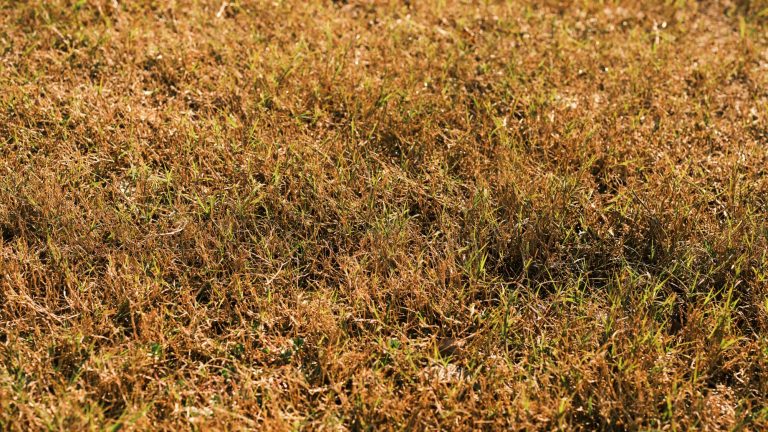
In Louisiana, Bermuda grass goes dormant after the first hard frost, typically late November to early December. The entire lawn turns straw-colored and stays that way until soil temperatures climb back above 65°F in mid-to-late March.
Fix: None needed. Dormancy is normal. Don’t over-fertilize or over-water; wait for spring green-up.
Even heat-tolerant Bermuda wilts under extended drought. Stressed grass shows a bluish-gray color first, then progresses to tan or brown.
Fix: Water deeply 1 to 1.25 inches per week total, delivered in 2 to 3 sessions in the early morning. A deep soak encourages roots down, not up.
Over-application of nitrogen, uneven spreader passes, or fertilizing during peak heat can scorch Bermuda grass. The tell: brown streaks or stripes that match your walking pattern.
Fix: Water heavily to leach excess nitrogen. Avoid summer noon applications. Always calibrate your spreader and use slow-release nitrogen in hot weather.
Humidity in New Orleans creates the perfect environment for turf fungi.
Fix: Reduce watering frequency, water only in the early morning, mow at the proper height, and apply appropriate fungicide per label directions. Persistent cases may need a professional diagnosis.
 White grubs, larvae of June beetles, and Japanese beetles eat Bermuda roots from underneath. Damaged turf feels spongy and lifts away like a loose rug.
Fix: Check by peeling back a suspect patch. If you see 5+ grubs per square foot, apply a grub-targeted insecticide (imidacloprid or similar) and water it in.
Dense alluvial (river-delta) soil, foot traffic, or parked vehicles compact the root zone. Water and oxygen can’t reach the roots, and the grass thins and browns out.
Fix: Core aerate in late spring or early summer. Topdress with sand or compost to improve soil structure over time.
Dull blades tear grass instead of slicing it. The torn tips turn whitish, then brown. Seen from the street, the whole lawn looks dry or stressed.
Fix: Sharpen mower blades at least twice per mowing season, more often for large lawns.
Dog urine delivers a concentrated nitrogen burn. Small, round brown spots, often with a darker green ring, give it away.
Fix: Rinse spots thoroughly within 8 hours. Train pets to use a designated area. Over time, Bermuda’s aggressive lateral growth will fill in small spots.
| Symptom | Likely Cause |
|---|---|
| Whole lawn brown in winter | Dormancy |
| Brown patches during heat, leaves curling | Drought |
| Brown in stripes or overlap pattern | Fertilizer burn |
| Circular patches with colored edges | Fungal disease |
| Sod lifts like loose carpet | Grubs |
| Small round brown spots with green rings | Pet urine |
| Whitish-brown tips across lawn | Dull mower blades |
| Thin, brown high-traffic areas | Compaction |
Call in help if:
TurnKey Grass diagnoses and treats lawn problems across Harahan, River Ridge, Gretna, and the greater New Orleans area. Whether you need a quick repair or a full resod, we’ll pinpoint the real cause and get your lawn back to green. Contact us today!
Daily shallow watering actually causes shallow roots and makes Bermuda more drought-prone. Water deeply 2 to 3 times per week instead of daily.
Yes, dormant, drought-stressed, and mildly damaged Bermuda recovers once conditions improve. Dead grass (no green at the crown) will not.
You can’t force dormancy to break. Bermuda greens up when soil temperatures exceed 65°F. Scalping the lawn at the very end of dormancy can help sunlight reach the crowns.
Dormant grass has living crowns and roots just below the surface. Pull back the browned blades, if you see white, firm tissue at the base, it’s dormant. Brown, mushy crowns indicate dead grass.
Not if it’s dormant or stressed. Diagnose the cause first; fertilizing stressed grass often makes the problem worse.
Mild stress: 1 to 3 weeks. Heavy damage: 4 to 8 weeks. Total resodding may be needed for large dead zones.
Want a lush new lawn? Get a free sod installation quote from TurnKey Grass.
Keep reading
Bermuda GrassMar 15, 2026 · 4 min read
Does Bermuda grass go dormant in Louisiana winters? Learn what to expect, when green-up happens, and how to care for dormant Bermuda.
Read the guide →
Bermuda GrassMar 8, 2026 · 4 min read
Learn how to repair bare or patchy spots in a Bermuda grass lawn. Step-by-step guide, tools, and timing tips from TurnKey Grass.
Read the guide →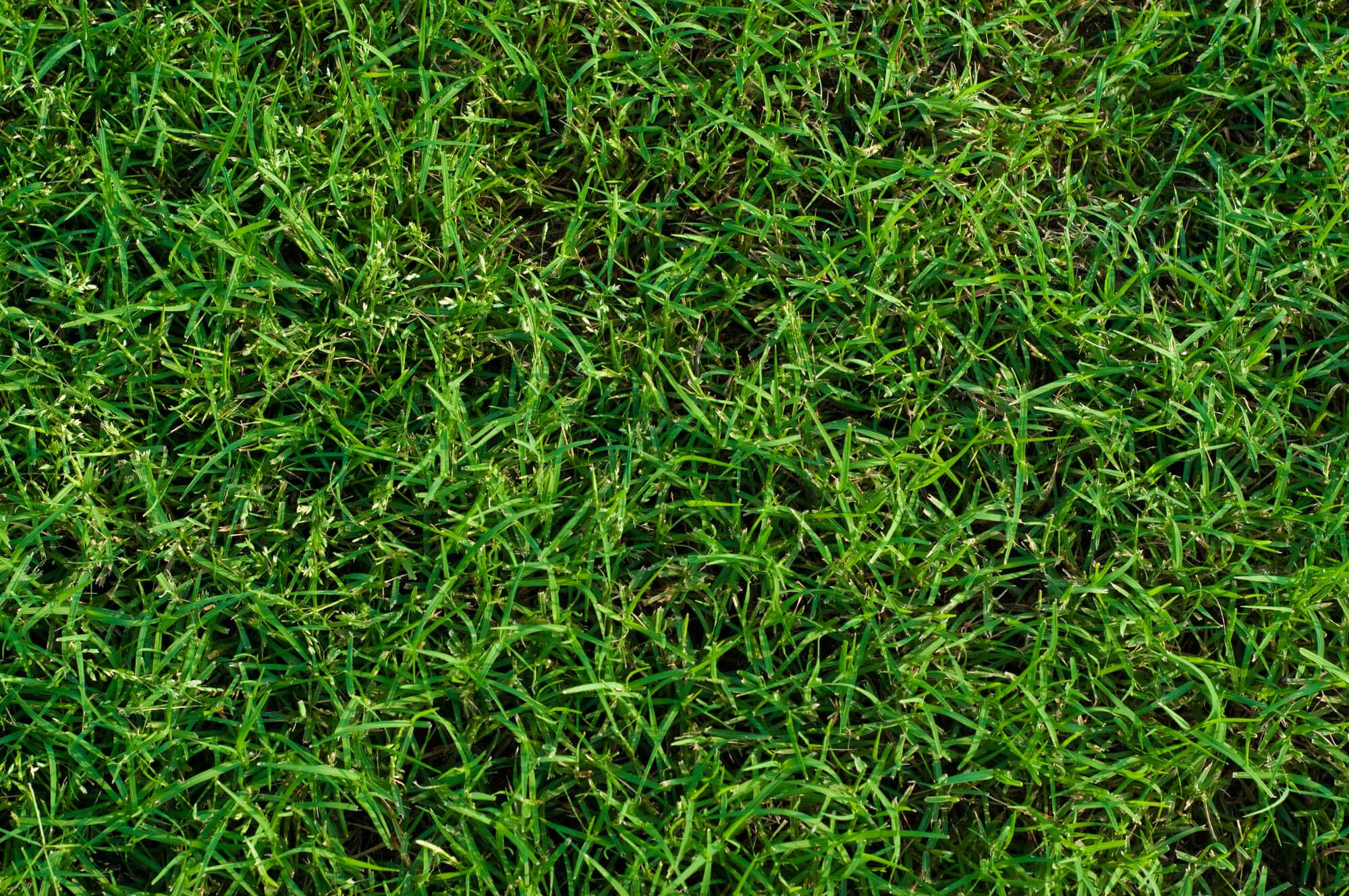
Bermuda GrassMar 1, 2026 · 3 min read
Bermuda grass vs. St. Augustine for New Orleans yards: compare sun, shade, foot traffic, and maintenance to choose the right grass for your Gulf Coast lawn.
Read the guide →
FREE estimates on all services
Ready to say goodbye to lawn stress and hello