Across the New Orleans metro, from Metairie and Kenner to Slidell and Mandeville, a lush green lawn adds real beauty and value to your property. But in our Gulf Coast climate, achieving that picture-perfect landscape takes more than mowing and watering. Aeration and overseeding are two powerful techniques that work together to create a thriving lawn in Southeast Louisiana.
Aeration alleviates soil compaction, a stubborn problem across Orleans and Jefferson Parish where dense, poorly draining soils, clay in some areas and soft, organic delta soil in others, hold water and can starve grass roots of the air, water, and nutrients they need. Overseeding, on the other hand, focuses on filling in bare patches and thinning areas with fresh grass seed. These practices can revitalize your lawn and keep it healthy and vibrant year-round.
Ready to take your lawn care to the next level? Contact TurnKey Grass today at 504-608-1540 for a free consultation, and learn how aeration and overseeding can transform yards across New Orleans, Metairie, Gretna, and the Northshore. Call us!
Understanding Aeration and Overseeding: The Perfect Partnership for a Thriving Lawn
A beautiful lawn doesn’t happen by chance. While regular mowing and watering are essential, achieving that lush, green paradise often requires more. Enter aeration and overseeding, two powerful techniques that work in perfect harmony to create a healthy, robust lawn.
Aeration tackles soil compaction, a sneaky villain that suffocates grass roots. Compacted soil acts like a barrier, preventing air, water, and essential nutrients from reaching the roots. Think of it like trying to breathe through a clogged straw, not ideal for healthy growth. Aeration solves this problem by creating holes in the soil, essentially giving your lawn a chance to breathe. This allows water to penetrate deeper, promoting stronger, deeper root growth for a more vigorous lawn.
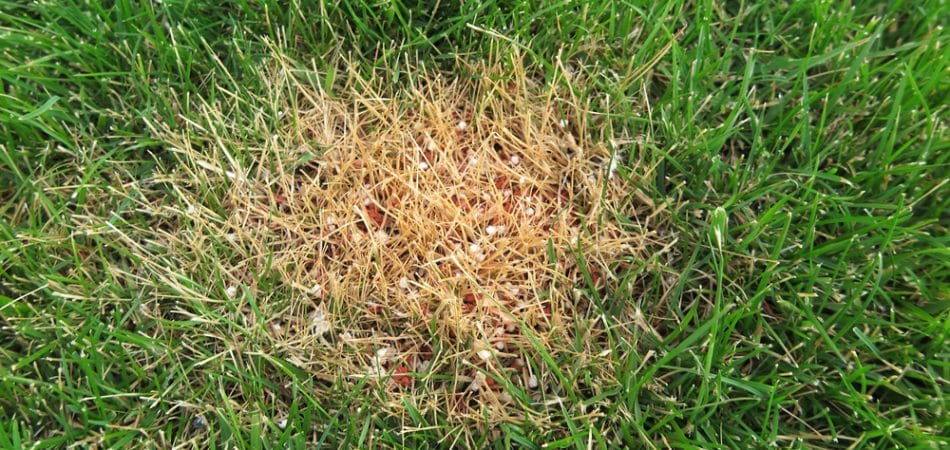
Grass overseeding focuses on filling in bare patches and thinning areas with fresh grass seed. This is like giving your lawn a makeover. It injects new life into tired turf and promotes a thicker, greener appearance. Bare spots and patchy areas can make even the most well-maintained lawn look worn. Overseeding combats this by introducing fresh growth, boosting both the aesthetics and overall health of your lawn.
Now, here’s where the magic happens. Aeration and overseeding become an unbeatable team when combined. The holes created during aeration act as the perfect welcoming committee for the new grass seed. These openings allow for better seed-to-soil contact, which is crucial for germination. Imagine the seed having a comfortable, aerated bed to settle into, the perfect environment for growth.
The benefits of this dynamic duo are undeniable. Aeration not only addresses soil compaction, but also improves water uptake and nutrient absorption. This translates to a lawn that can breathe easier, access vital moisture efficiently, and utilize fertilizers more effectively, all leading to a stronger and healthier foundation.
Overseeding, on the other hand, brings a host of advantages. The introduction of new, hardier grass varieties enhances the lawn’s resistance to pests, diseases, and drought. Think of it as building a more resilient defense system for your lawn. By encouraging a thicker, denser turf, overseeding also helps suppress weeds naturally, reducing reliance on harsh chemicals. This eco-friendly approach not only benefits the environment, but also keeps your lawn looking cleaner and more aesthetically pleasing.
Preparing Your Lawn for Aeration and Overseeding
Aeration and overseeding are powerful tools for a healthy lawn, but proper preparation is key to maximizing their effectiveness. Here’s how to get your lawn ready for its transformation:
Mow for Seed-to-Soil Contact
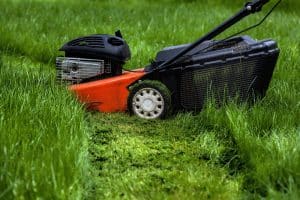
Before overseeding, adjust your mower height to a lower setting (but not scalping low!). This allows new grass seeds to make direct contact with the soil, a crucial step for germination. Shorter grass also exposes more soil surface to sunlight and air, further aiding seed growth. Remember, the goal is to create an ideal environment for new growth, not to harm existing grass. Adjust your mower height carefully to achieve the right balance.
Clear Away Thatch and Debris
Thatch, a layer of dead grass and debris on the soil surface, can be a major obstacle for both aeration and overseeding. Removing it allows your lawn to breathe freely and promotes deeper root growth. Additionally, thatch can impede water and nutrient penetration, hindering the health of your grass. Use a dethatching tool or a rake to remove thatch and debris efficiently.
Deep Watering for Softer Soil and Deeper Roots
Watering your lawn deeply a few days before aeration serves two purposes. First, moist soil allows for easier penetration of the aeration tools, making the process more efficient. Second, deep watering encourages grass roots to grow deeper into the soil in search of moisture. This strengthens your lawn’s overall health and resilience against drought and future foot traffic.
Following these simple preparation steps will create the optimal environment for successful aeration and overseeding. With a little preparation, you can give your lawn the boost it needs to thrive.
When to Aerate and Overseed Your New Orleans Lawn
Timing makes or breaks aeration and overseeding. In our Zone 9b climate, the warm-season grasses most New Orleans homeowners grow, such as Bermuda, St. Augustine, Zoysia, and centipede, recover fastest when you work with them during active growth. That means late spring through early summer, once soil temperatures hold above 65°F. Aerating while the grass is growing strong lets it heal quickly and fill the holes back in, and seed or sprigs put down then have the whole warm season ahead to establish.
Here’s why late spring through early summer is the sweet spot:
Ideal Growing Conditions
Late spring and early summer bring the warm soil and steady sunshine warm-season grasses crave. Once soil temperatures climb past 65°F, germination and root development take off, and because your lawn is actively growing it bounces back from aeration fast instead of sitting stressed.
Fast, Vigorous Recovery
With warm-season grass in full growth, the turf knits over aeration holes quickly and new seedlings race to establish. A thick, fast-filling lawn also crowds out weeds on its own, which cuts the need for chemicals later in the season.
Nutrient Absorption Powerhouse
Warm soil also drives nutrient uptake. Grass feeding and rooting through late spring and summer makes full use of any fertilizer applied during overseeding, building strong roots and a dense, healthy foundation that carries the lawn through the heat.
Building Strength for the Season
Aerating and overseeding early in the growing season gives your lawn the whole summer to develop a deep root system. That stronger root structure helps the turf shrug off drought and heat, then enter winter dormancy in good shape and green up faster the following spring.
The One Job for Fall
Fall isn’t the time to aerate or overseed your permanent lawn here. The one fall practice that makes sense is overseeding annual ryegrass over dormant Bermuda for green winter color. The ryegrass fills in while the Bermuda sleeps, then dies back as temperatures rise and the Bermuda wakes up. It’s a cosmetic, temporary step, not the same as renovating your warm-season turf.
Planning your aeration and overseeding around late spring and early summer is key. This timing puts the work right in the grass’s active growth window, so your lawn recovers quickly, roots deeply, and heads into the hottest months strong.
Greener Grass Starts Today!
Having a healthy lawn doesn’t just boost your curb appeal, it creates a vibrant outdoor space to enjoy. By following these steps for aeration, overseeding, and proper timing, you can transform your tired turf into a lush green paradise. Remember, a little preparation goes a long way. So, grab your tools, aim for late spring through early summer, and get ready to breathe new life into your lawn!
Feeling overwhelmed? Don’t worry. TurnKey Grass can help. Our local team offers expert aeration and overseeding servicesacross New Orleans, Metairie, Kenner, Slidell, Mandeville, and Covington to create a healthy, thriving lawn you’ll love.
Call 504-608-1540 today for a free consultation, and let’s get your Southeast Louisiana lawn on the path to green greatness.





 TurnKey Grass
  Aeration tackles soil compaction, a sneaky villain that suffocates grass roots. Compacted soil acts like a barrier, preventing air, water, and essential nutrients from reaching the roots. Think of it like trying to breathe through a clogged straw, not ideal for healthy growth. Aeration solves this problem by creating holes in the soil, essentially giving your lawn a chance to breathe. This allows water to penetrate deeper, promoting stronger, deeper root growth for a more vigorous lawn.
 Late spring and early summer bring the warm soil and steady sunshine warm-season grasses crave. Once soil temperatures climb past 65°F, germination and root development take off, and because your lawn is actively growing it bounces back from aeration fast instead of sitting stressed.