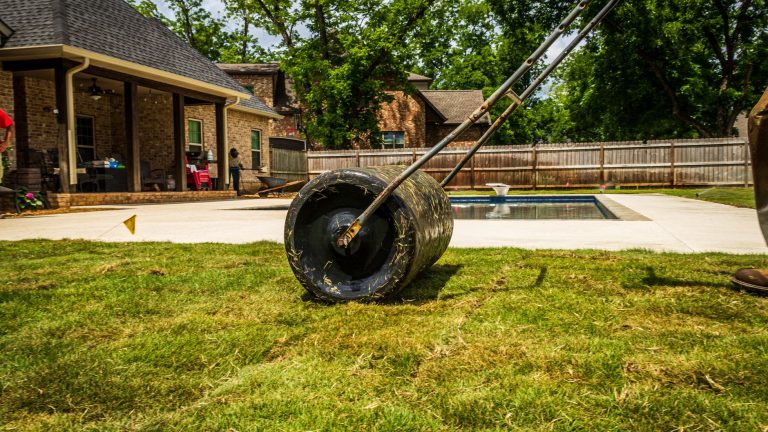
Grass GuideNov 6, 2026 · 6 min read
What Is a Good Price for Installed Sod in Metairie?
A good installed sod price in Metairie is a written quote you can compare line by line. Here's how to read one, and what 200, 400, and 1,000…
Read the guide → Call Us Now!(504) 608-1540
FREE Consultation!
(504) 608-1540
Grass GuideNov 10, 20265 min read
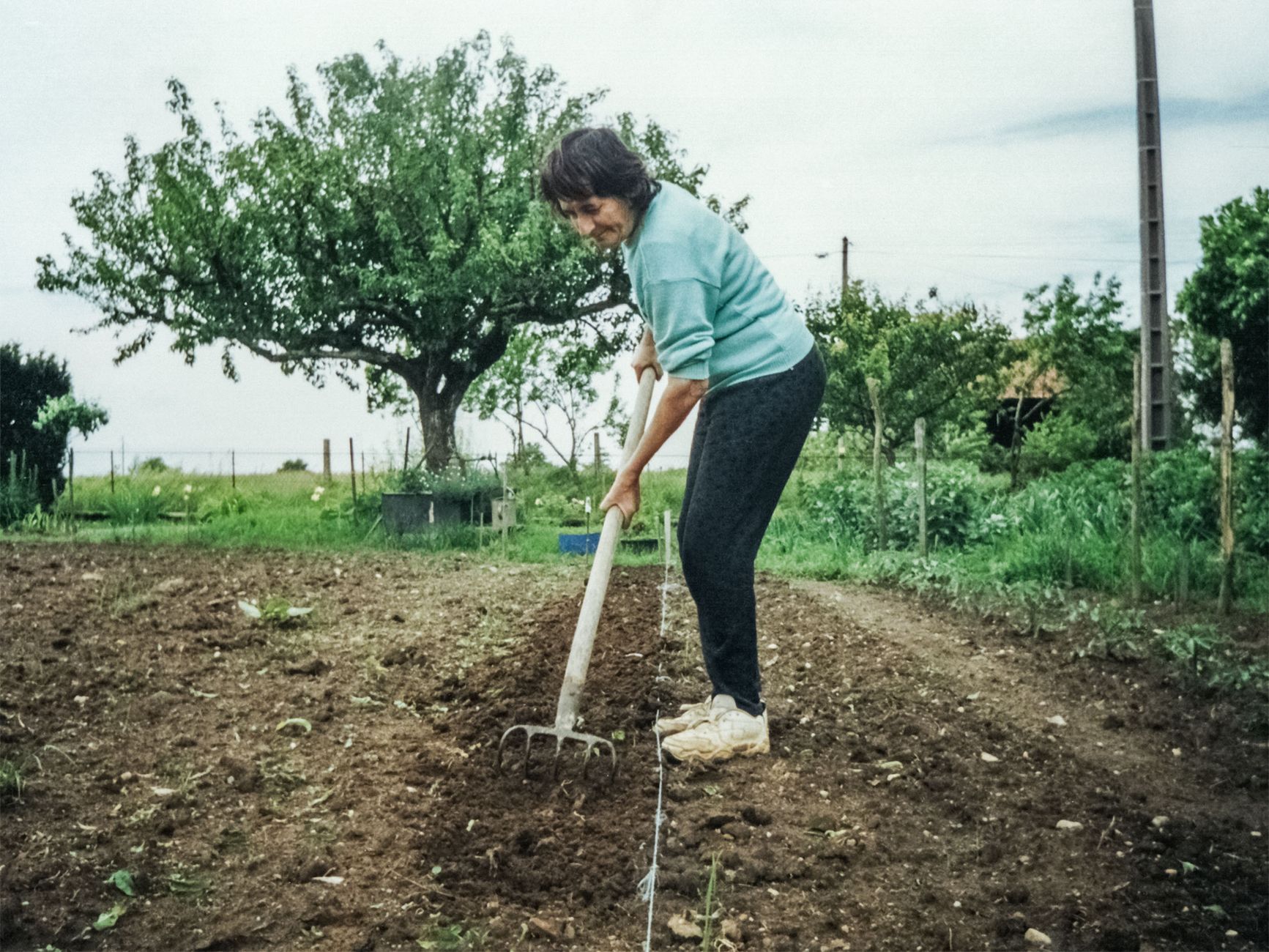
Yes, you can lay sod on dirt, and in Kenner that’s where it belongs. The catch is that the dirt has to be loosened and smoothed first, since sod dropped on hard, untouched ground rarely roots well.
People usually ask this because they’re hoping to skip a step. We understand the appeal, but when we look at a yard in Kenner, tilling is the one step we won’t talk anyone out of. New sod needs bare soil under it, not more material on top of bad soil.
Sod goes on bare soil. Mississippi State University Extension says sod establishes best over bare ground, and LSU AgCenter tells homeowners to lay it on a smooth soil surface. So bare dirt is the right base. Packed, weedy, or uneven dirt is the problem.
Here’s what “directly” tends to mean when a job goes wrong:
The fix for all three is the same. LSU AgCenter says to till 4 to 6 inches deep, and that soil should be tilled even if it needs no amendments. Call Louisiana 811 to have utility lines marked first. Our Kenner sod installation page covers how that prep fits a full job.
It also helps to know what sod brings with it. Mississippi State says fresh-cut sod isn’t sold with enough soil to sustain it for more than a few days, so it depends on the ground below almost right away. LSU AgCenter also suggests buying sod grown on soil like yours, because mixing soil types can affect how water moves through. That’s a fair question for anyone quoting your Kenner job, and our FAQ page covers others worth asking.
Two inches is enough to help when it’s tilled in, and not enough when it’s used as a cap. We couldn’t find an LSU AgCenter figure that names a required topsoil depth for sod. What LSU does name is the 4 to 6 inches of tilled soil underneath, and that’s the number we’d work from.
A thin layer spread over hard ground gives you two inches of easy rooting, then a wall. University of Georgia Extension explains that the deeper the topsoil is, the deeper roots can move into regions less likely to dry out, and it describes the ideal bed as smooth and level with several inches of topsoil.
Mixed in, the same two inches is a lot more useful. Mississippi State’s numbers show how this works: working 1 to 2 inches of compost into the top 3 inches of soil gives you about a 4-inch root zone. So we tell homeowners to think about the total depth of loose soil, not the thickness of what’s on the truck.
Two inches across a yard can change how it meets the driveway, the walk, and the slab. Mississippi State says surface drainage should move away from permanent structures, with no low spots holding water. Check your edges before ordering, and check with the city before any significant grading or fill.
Kenner has an unusual story here, because one of its soils shares the city’s name. Federal soil maps show Kenner muck, drained, at most of the points we sampled around the city, with Westwego clay and Harahan clay at others. The USDA describes the Kenner series as organic soil formed from marsh plant remains mixed with clayey alluvium, and it says that in protected and pumped areas the water table is typically kept 1 to 4 feet below the surface.
That matters for sod in a few practical ways:
Not every Kenner lot is the same, and fill from past work can change what’s under a given yard. That’s why we’d rather dig a little than assume. Our Kenner service area page has more on the city’s lots.
You’re aiming for loose below and firm on top. After tilling, LSU AgCenter says to rake out remaining debris, shape the area for drainage, and lightly compact the surface with a roller so it holds the contour. A foot shouldn’t sink deep into it, and it shouldn’t feel like a parking lot either.
From there, install soon after delivery. LSU AgCenter warns that delays cause poor establishment or dead sod. Lay pieces in a staggered brick pattern with edges touching and no overlap, then water until the sod and the soil beneath are both moist. For the details of the laying itself, read our step-by-step sod guide. Our post on preparing a lawn for zoysia shows how the same prep plays out with a specific grass.
That depends on sun and drainage more than on the dirt alone. LSU AgCenter ranks St. Augustine as the most shade-tolerant warm-season grass, while Bermuda has very poor shade tolerance and centipede wants little compaction and good drainage. Kenner sits in USDA zone 9b, so cold rarely decides this one. Light and water do.
If you’re still choosing, start with our guide to picking a grass for your lawn, or look at centipede sod in Kenner if low upkeep is your priority.
We’ll look at the dirt with you and spell out the prep in a free estimate. Call TurnKey Grass at (504) 608-1540.
Keep reading
Grass GuideNov 6, 2026 · 6 min read
A good installed sod price in Metairie is a written quote you can compare line by line. Here's how to read one, and what 200, 400, and 1,000…
Read the guide →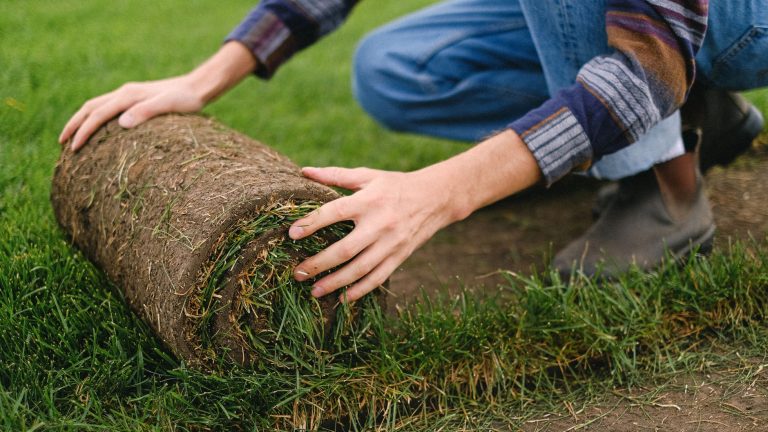
Grass GuideNov 5, 2026 · 5 min read
What goes under sod in New Orleans is loosened soil, plus only what a soil test calls for. Here's the prep, in order, and when to water.
Read the guide →
Grass GuideNov 26, 2024 · 6 min read
Keep a lush New Orleans lawn without harsh chemicals. Natural fertilizers, smart watering, and aeration tips that work in Southeast Louisiana’s clay soils and humid heat.
Read the guide →
FREE estimates on all services
Ready to say goodbye to lawn stress and hello to a stunning green oasis? Get a free quote today and see how TurnKey Grass can make your lawn dreams a reality!