
Grass GuideNov 5, 20265 min read
What Should You Put Down Before Laying Sod in New Orleans?
Put down nothing that sits between the sod and the soil. In New Orleans, what goes under sod is loosened soil, plus only the amendments a soil test calls for.
New sod? Get a FREE estimate
That answer surprises people who expect a special layer. When we look at a yard in New Orleans, the question we ask first is whether roots can get into what’s already there, because that decides how the sod installation goes for years.
What should you put down before laying sod?
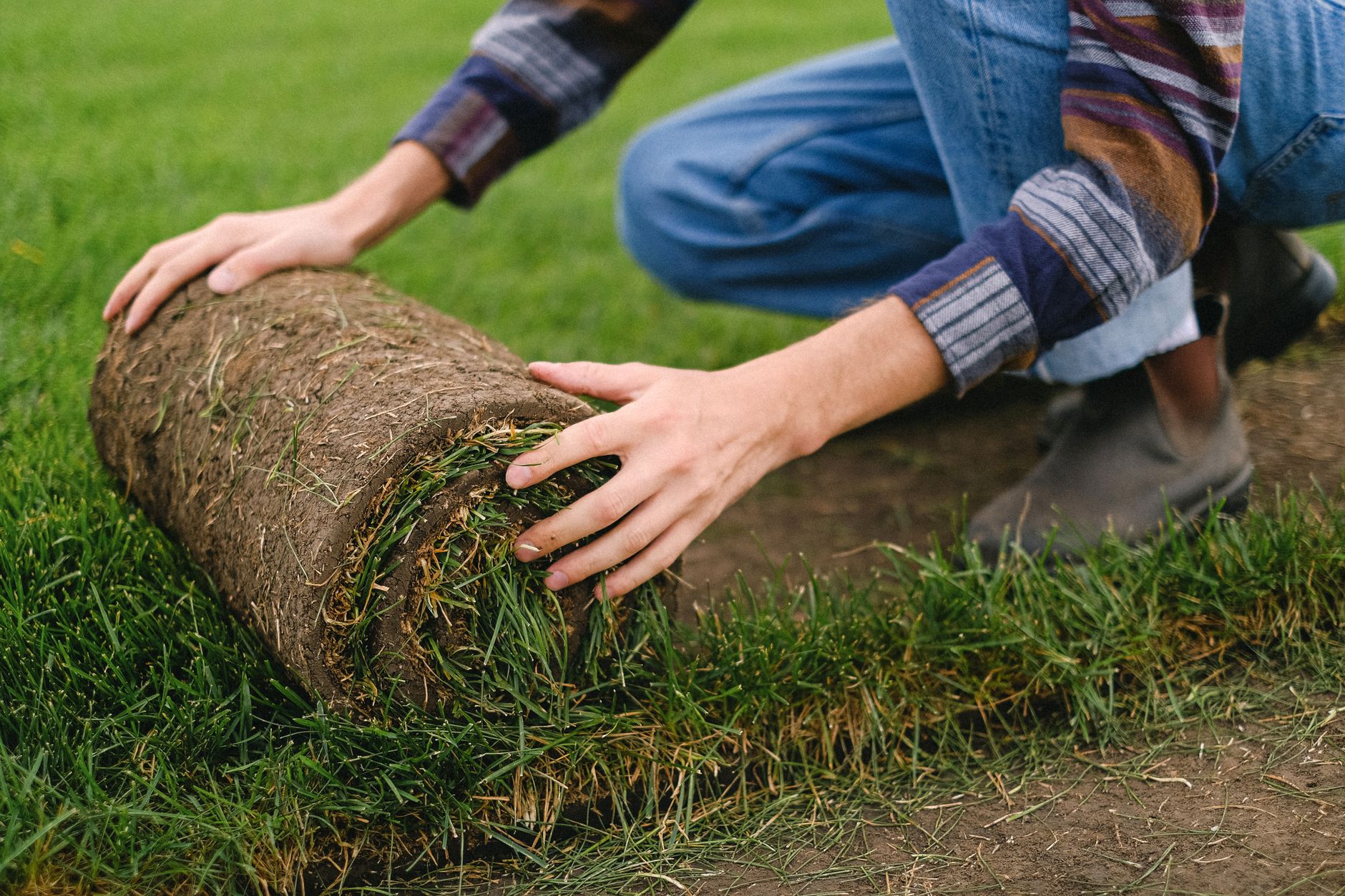
Sod has to touch soil. University of Georgia Extension puts it plainly: sod needs firm contact with the soil bed so roots can grow into it. That rules out landscape fabric and plastic sheeting, which would put a barrier right where the roots need to go. We tell homeowners to skip both.
What can go down is short, and all of it gets worked into the soil, not spread on top as its own layer:
- Lime or sulfur: only if your soil test recommends it. LSU AgCenter says to incorporate it before planting.
- Phosphorus and potassium: only at the rates on the test report.
- Compost: useful when the soil is tight. Mississippi State University Extension says 1 to 2 inches worked into the top 3 inches gives you about a 4-inch root zone.
- Nitrogen: optional at this stage. LSU AgCenter says up to 1 pound per 1,000 square feet is okay before planting, but some of it will be lost before the grass can use it.
Mississippi State also notes that fertilizer doesn’t have to go down before sod at all. The more useful feeding comes later, up to 0.5 pound of nitrogen per 1,000 square feet once the sod has rooted, according to LSU AgCenter. Roots may appear within 30 to 60 days, depending on