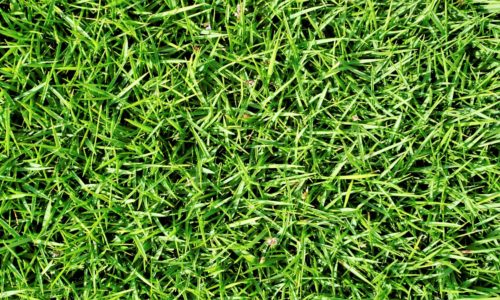
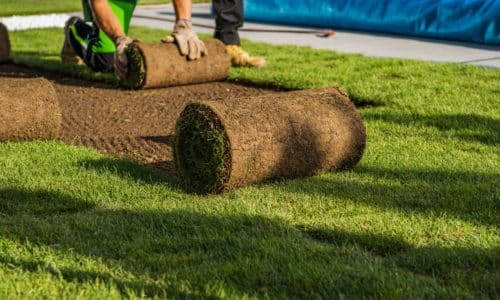
Frequent mowing, fertilization, and irrigation are necessary to ensure the health of St. Augustine grass during the hot summer weather, as in New Orleans. Modify these measures to suit the Southeast’s hot, humid climate. This warm-season grass grows best when mowed at 2.5-4 inches tall.
Treat it to a sound application of slow-release, well-balanced fertilizer and deep and infrequent waterings to establish deep roots. Early weed control and pest infestation management by TurnKey Grass guarantees a wholesome lawn throughout the season.
Find below the necessary steps you ought to follow for lawn preparation before the summer season and maintaining its health and toughness.
Preparing Your Lawn from January to April
Preparing your St. Augustine grass for summer begins with a bit of added caution during the cooler months. Between January and April, the lawn is mostly dormant, but ground-level care sets it up for good growth when temperatures heat up.
Soil Preparation for Healthy Growth
Begin by understanding your soil. St. Augustine grass prefers well-drained, fertile soil. You can check soil compaction by pushing a screwdriver into your soil; if it goes in well, you’re in good shape, but if resistance is met, then you aerate. The lawn also needs to drain properly. Pools of water should not form, especially during those heavy winter rains that New Orleans frequently experiences.
Adjusting Soil pH for Optimal Health
St. Augustine grass will thrive if the soil pH level is slightly acidic to neutral, 6.0 to 7.5. First, locate a laboratory where you can test the soil, and take a soil test for any nutrient imbalance. If you must adjust the pH, add lime to raise the soil pH, or add sulfur to lower the soil pH. So do this early—adjustments can take weeks to manifest effects.
Early Weed and Pest Control Strategies
Late winter/early spring—Use a selective preemergent herbicide to prevent root and annual weeds, such as bluegrass. As a good rule of thumb, apply pre-emergent herbicides when soil temperatures reach 55°F to stop weeds from germinating. Watch for pests such as chinch bugs, though activity is low during the cooler months.
Seasonal Fertilization Practices for Strong Roots
Don’t fertilize when grass is in winter dormancy, as nutrients will not be taken up. Instead, schedule a balanced fertilizer application for late spring, once steady growth is reestablished and the risk of frost damage has passed.
Aeration and Dethatching Benefits in Spring
Aerating allows roots to better access oxygen and nutrients, and dethatching eliminates excess organic material. If using dethatching blades, set for the shallowest depth only after the grass turns green in spring.
Hydration Tips for Summer Heat
If you want lush, healthy St. Augustine grass to weather New Orleans’ scorching summer sun, proper hydration is key. The added factor of extreme humidity and daily rainstorms creates an additional set of challenges.
How to Water Without Overwatering
As an example, St. Augustine grass needs deep, infrequent watering to establish deep root systems. Plan on applying a total of 1 to 1.5 inches of water each week, rain included. Place a rain gauge or a tuna can in the watering area to gauge water output for irrigation.
Do not water shallowly and frequently, as this encourages weak roots and fungal diseases. Watering early in the morning eliminates evaporation, providing your grass with the most time to absorb your hard-earned water effectively.
Best Irrigation Schedules for Hot Months
In extreme heat, prioritize watering two to three times a week, watering more often as soils drain quickly, or less if it rains. Similarly, sandy soils in New Orleans will need to be watered more often than clay, which holds moisture for longer. Automated irrigation systems with timers are great for maintaining even hydration, but do check local forecasts to avoid watering during rainstorms.
Signs of Underwatering and Overwatering
Drooping or folding grass blades and a bluish-green color are symptoms of underwatering, but squishy soil and yellow patches suggest overwatering. Consistently gauge soil moisture by pushing a screwdriver into the ground. If it goes in without much resistance, your watering is on point.
Using Mulch to Retain Moisture
Adding a layer of organic mulch around shrubs, trees, and garden beds helps retain temperature and soil moisture. This significantly minimizes evaporation while enabling the surrounding grass to remain naturally hydrated.
Get Your Lawn Summer-Ready
Preparing your St. Augustine grass for summer doesn’t need to be an ordeal. Water the soil, mow it down to a suitable height, and fertilize accordingly. Collectively, these steps will help you develop a deeper, healthier lawn that can better tolerate summer’s stresses and remain green through the dog days of summer.
We all know that New Orleans summers are not easy, but some preparation can make all the difference. Lush grass will enhance the beauty of your home and provide a soft, safe surface for children and pets. If you’re still overwhelmed or would like to gain back some free time, contact us today. With strong roots comes a lawn that’s ready for summer.





 TurnKey Grass
 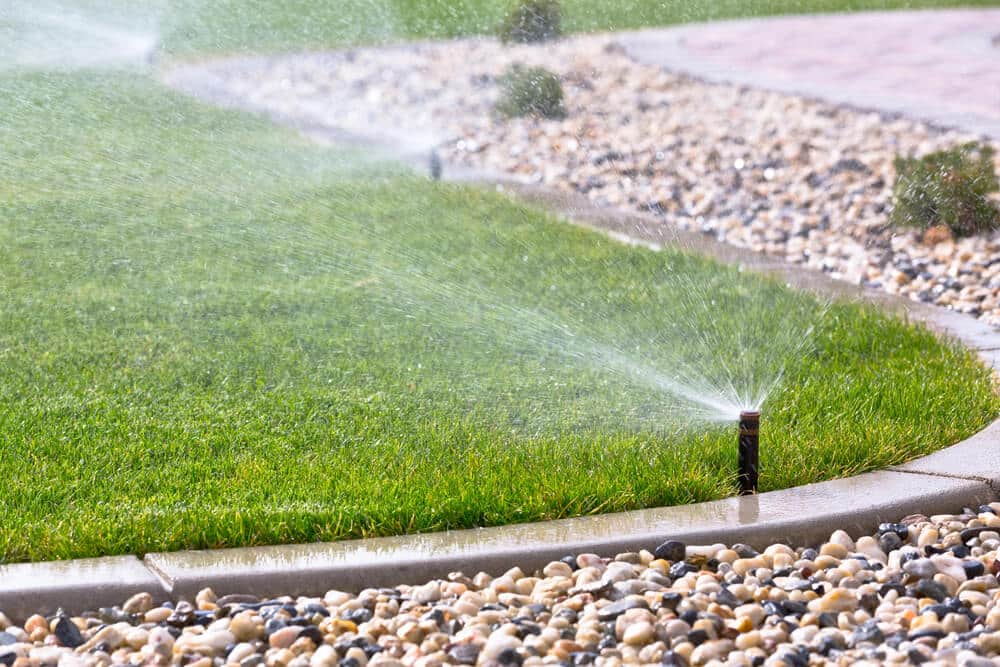 As an example, St. Augustine grass needs deep, infrequent watering to establish deep root systems. Plan on applying a total of 1 to 1.5 inches of water each week, rain included. Place a rain gauge or a tuna can in the watering area to gauge water output for irrigation.