Bermuda grass is a popular choice for lawns because of its resilience, thick growth, and ability to handle heat and wear. However, to keep it healthy throughout the year, it’s important to prepare it for the changing seasons, especially in areas like New Orleans, where the weather can fluctuate between hot summers and mild winters. Proper seasonal care will ensure your Bermuda grass stays lush and green, regardless of the weather conditions.
In this guide, we’ll walk you through the steps you need to take to prepare your Bermuda grass lawn for the changing seasons, focusing on what to do in both spring and fall to keep your lawn in top shape.
Spring: Waking Up Your Bermuda Grass Lawn
Spring is when Bermuda grass comes out of its dormant state and starts growing actively again. This is the time to focus on revitalizing your lawn after the winter months.
Clean Up Your Lawn
Before doing anything else, it’s important to clean up your lawn. Remove any leaves, branches, or debris left over from the fall or winter. This step helps prevent mold or disease and allows sunlight to reach the grass, promoting healthy growth. You can use a rake, leaf blower, or even a lawn vacuum to clear your lawn.
Rake and Aerate the Soil
Aeration is a crucial step in preparing Bermuda grass for the spring. Over time, soil can become compacted, making it difficult for the grass roots to absorb water and nutrients. Aerating the soil by pulling out small plugs of earth improves airflow and allows the grass to establish a stronger root system.
If your lawn feels hard or has a lot of foot traffic, aeration will help. Consider renting an aerator or contacting a professional lawn care service like TurnKey Grass to get the job done.
Fertilize Your Bermuda Grass
Once the soil is prepped, it’s time to fertilize your Bermuda grass. During spring, Bermuda grass needs plenty of nutrients to support its rapid growth. Use a high-quality, slow-release fertilizer that’s rich in nitrogen, as this promotes healthy green growth.
Follow the manufacturer’s recommendations for the amount to apply based on your lawn size. It’s best to fertilize in early spring, just as the grass begins to green up and show signs of life.
Seed and Overseed if Needed
Spring is also a good time to overseed your Bermuda grass lawn if there are thin or bare spots. Overseeding with Bermuda grass helps fill in any patches that may have died off during the winter months. To do this, simply spread a thin layer of Bermuda grass seed over the existing lawn and lightly rake the area to ensure good seed-to-soil contact.
For those with large bare spots, you may want to consider seeding more heavily. Ensure your lawn gets proper watering after overseeding to help the new grass establish itself.
Control Weeds Early
Weeds can be a big problem for Bermuda grass lawns, especially in the spring when both grass and weeds begin to grow. The best way to prevent weeds from taking over your lawn is to apply a pre-emergent herbicide. This treatment prevents weed seeds from germinating and helps your Bermuda grass thrive without competition.
Make sure to apply the herbicide before the weeds start to grow in the spring for the most effective results. Be cautious not to apply it too late, as this could interfere with Bermuda grass seed germination.
Mow Regularly
As the weather warms up, Bermuda grass will start to grow more quickly. Keep your grass at the recommended height (usually around 1.5 to 2 inches). Regular mowing encourages healthy, dense growth and keeps the grass from becoming too tall and unwieldy.
Make sure your mower blades are sharp to avoid damaging the grass. It’s best to mow when the grass is dry to get a cleaner cut and avoid clumping.
Fall: Preparing Bermuda Grass for Dormancy
As the weather cools and the growing season comes to an end, Bermuda grass starts to slow down and enter dormancy. Fall lawn care is all about helping your grass prepare for the winter months, ensuring it stays healthy when it’s not actively growing.
Rake Up Leaves and Debris
Just like in spring, fall is the time to clean up your lawn. Fallen leaves, twigs, and other debris can smother your Bermuda grass and create an environment for mold and disease to develop. Be sure to rake up any leaves regularly so that your lawn can breathe and get plenty of sunlight.
Fertilize for Winter
As Bermuda grass heads into dormancy, it still requires nutrients to keep its roots healthy during the winter. Apply a balanced, low-nitrogen fertilizer in the fall to give the grass the nutrition it needs. Fall fertilization helps prepare the roots for the cooler months, ensuring your lawn has the strength to bounce back when the warmer weather returns.
Avoid using high-nitrogen fertilizers in fall, as these can encourage unwanted growth, which is not beneficial as the grass is preparing to go dormant.
Lower Your Mower Blade
As the growing season winds down, you can lower your mower blade slightly (but not too much). Cutting your Bermuda grass to about 1 inch in height before the winter helps reduce thatch buildup and minimizes the risk of fungal diseases during the cooler months. Be careful not to cut too short, as this can stress the grass and make it vulnerable to winter injury.
Watering Adjustments
Bermuda grass requires less water as it slows down for the fall. However, it’s still important to water it regularly until it becomes dormant, especially if you’ve had a dry spell. Deep watering encourages deeper root growth and helps the grass store moisture for the winter. Once the temperature drops significantly, you can reduce watering since the grass will need less.
Control Weeds and Pests
Just as you do in spring, you need to keep an eye out for weeds and pests in the fall. Apply a post-emergent herbicide to deal with any weeds that have already appeared, and make sure your lawn is free of pests before winter sets in. If you’ve had issues with grubs or other pests in the past, fall is the time to apply treatments that will help prevent them from causing damage.
Aerate Again (If Needed)
If you didn’t aerate in spring or if your soil has become compacted during the summer, fall is another great time to aerate your Bermuda grass lawn. Aerating in fall helps to improve soil drainage and ensures the grassroots have access to nutrients throughout the cooler months. It also reduces the chances of waterlogging, which can lead to root rot.
Conclusion
Preparing your Bermuda grass lawn for the changing seasons requires a bit of effort, but the rewards are well worth it. By taking the right steps in both spring and fall, you can ensure that your lawn stays healthy, vibrant, and ready for each season. Whether it’s raking up debris, aerating the soil, or applying the right fertilizers and treatments, these steps will help your Bermuda grass thrive all year long.
At TurnKey Grass, we’re here to help you maintain a beautiful lawn that’s ready for every season. Contact us today to learn more about our lawn care services and how we can assist with your Bermuda grass needs.





 TurnKey Grass
  Before doing anything else, it’s important to clean up your lawn. Remove any leaves, branches, or debris left over from the fall or winter. This step helps prevent mold or disease and allows sunlight to reach the grass, promoting healthy growth. You can use a rake, leaf blower, or even a lawn vacuum to clear your lawn.
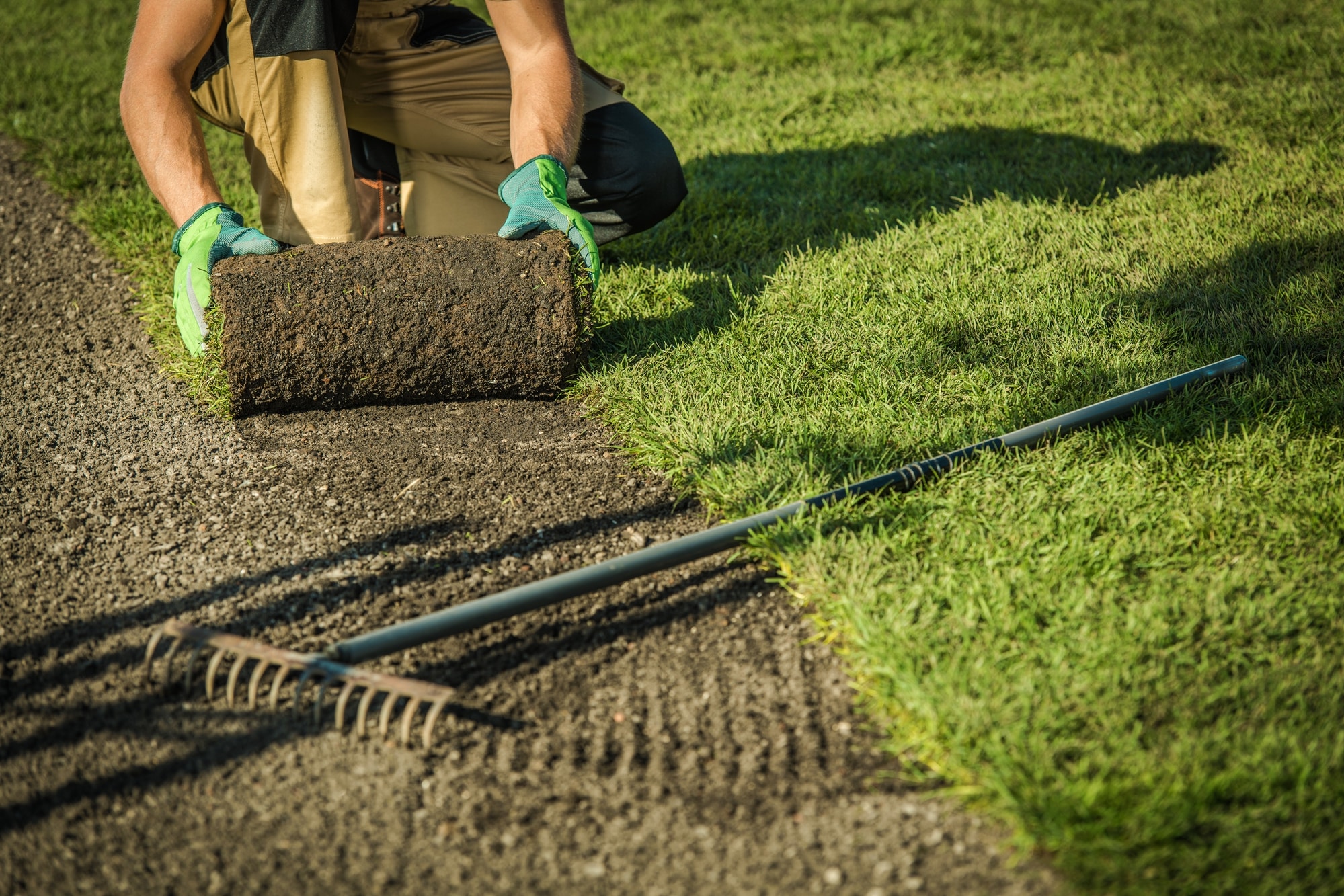 Just like in spring, fall is the time to clean up your lawn. Fallen leaves, twigs, and other debris can smother your Bermuda grass and create an environment for mold and disease to develop. Be sure to rake up any leaves regularly so that your lawn can breathe and get plenty of sunlight.